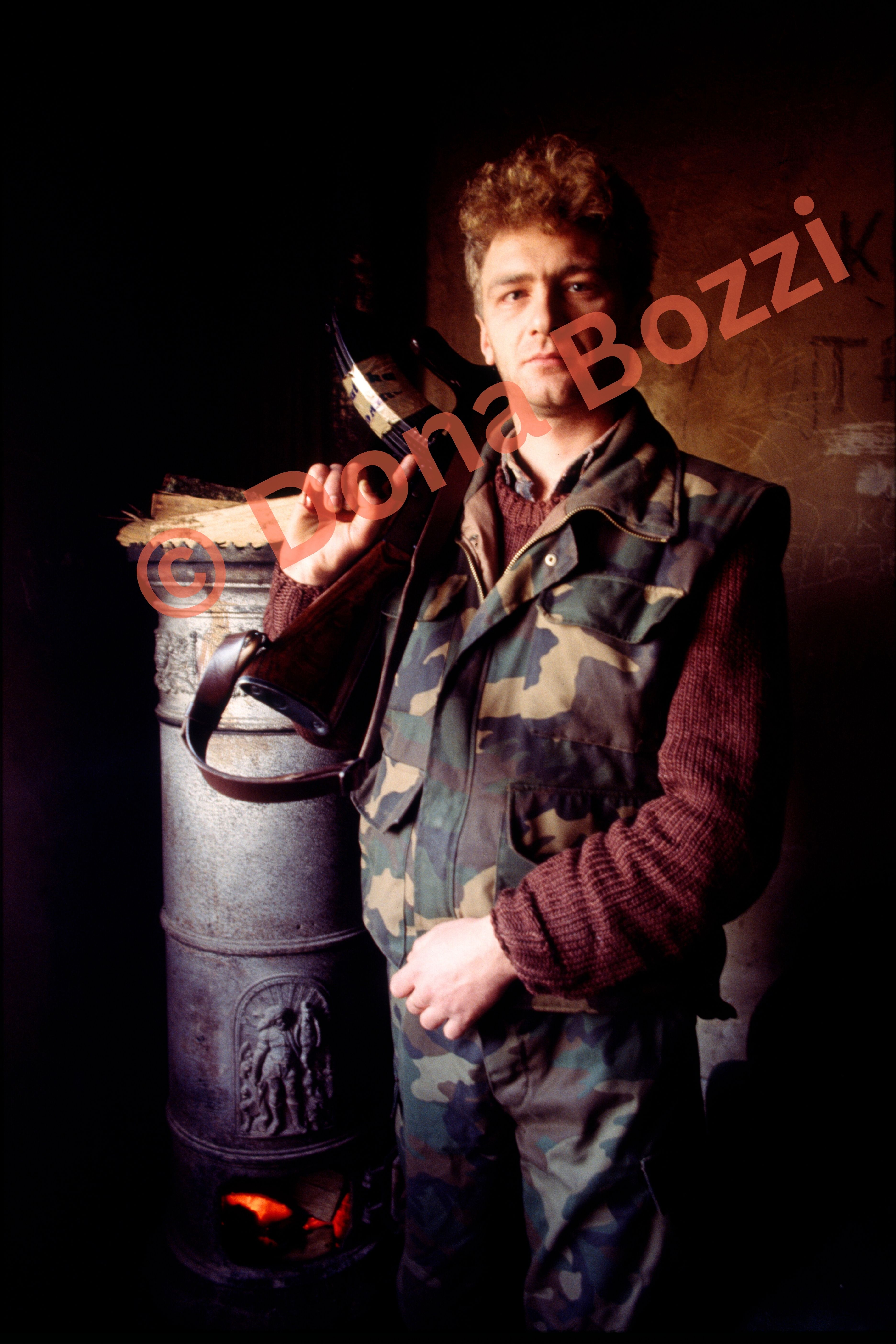
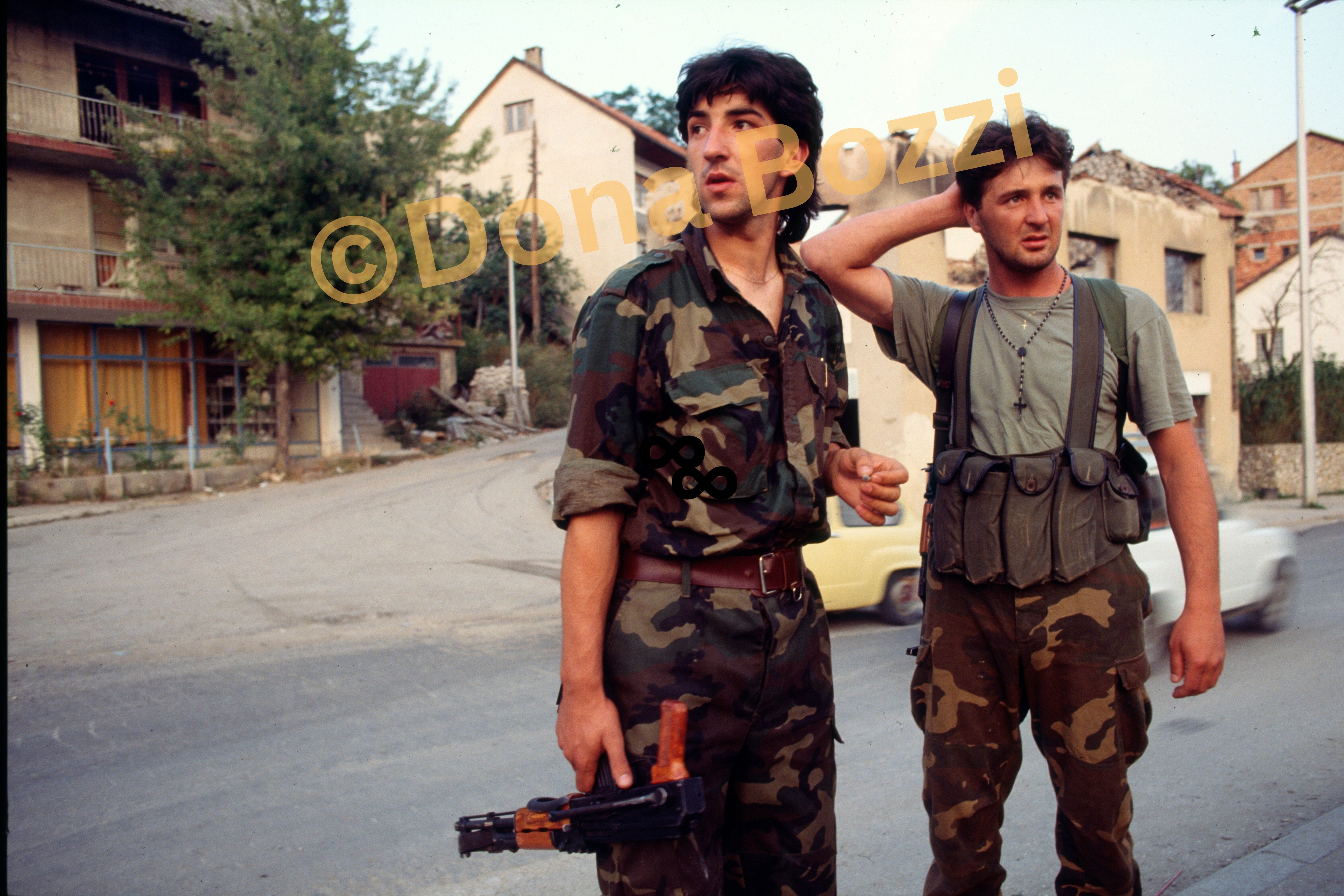
Karlovac,Croatia, Croatian soldier on guard duty,March 30 1992
Karlovac,Croatia,02 April 1992, Croatian soldier on guard duty
Karlovac,Croatia,Croatian Soldier on guard duty,April 02 1992
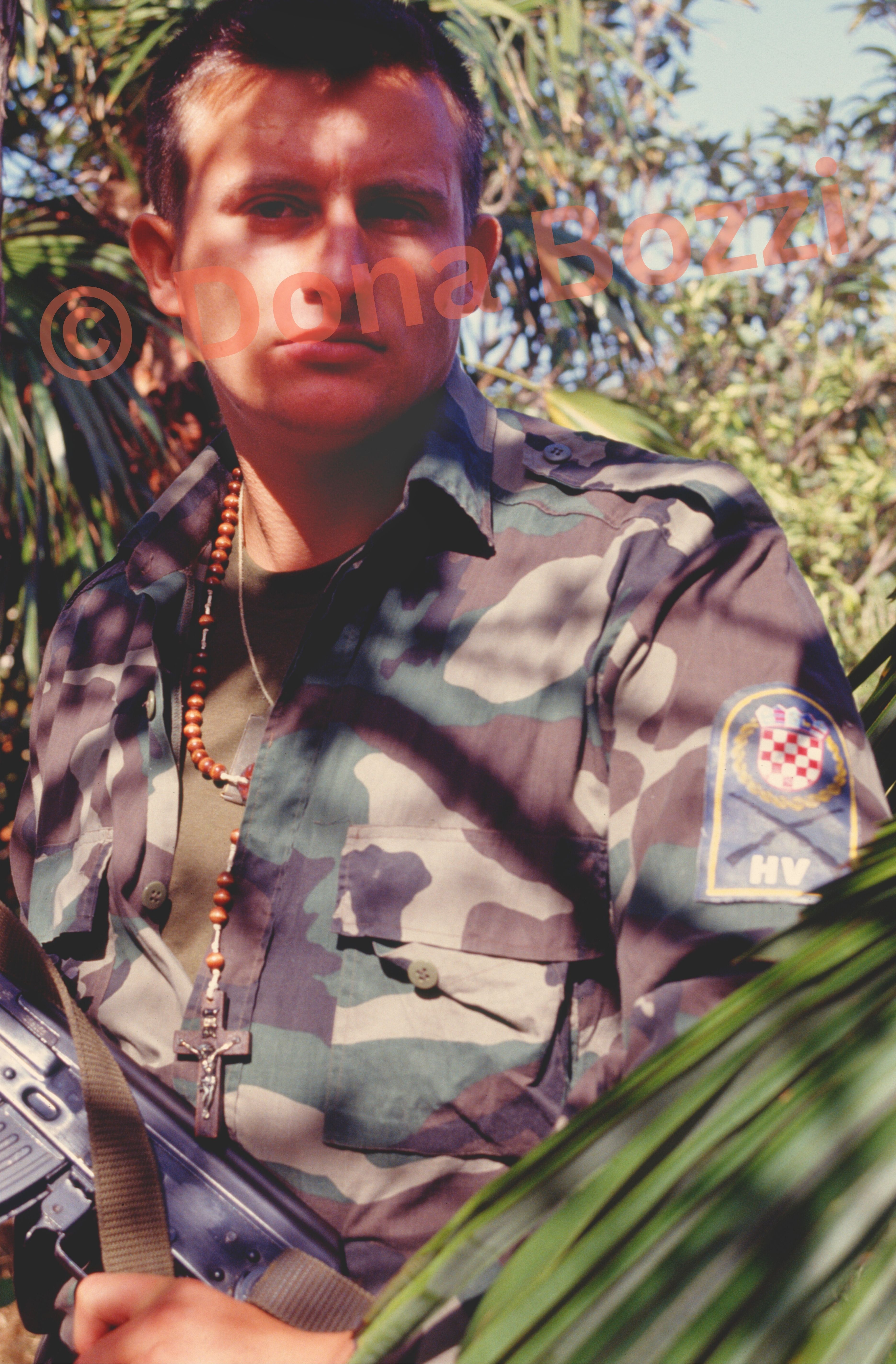
Mostar,Bosnia, April 03 1992, Croatian soldiers guard the city against the Yugoslav People’s Army,who defended Serbian autonomous regions in Bosnia.Croats are traditionally strongly catholic.
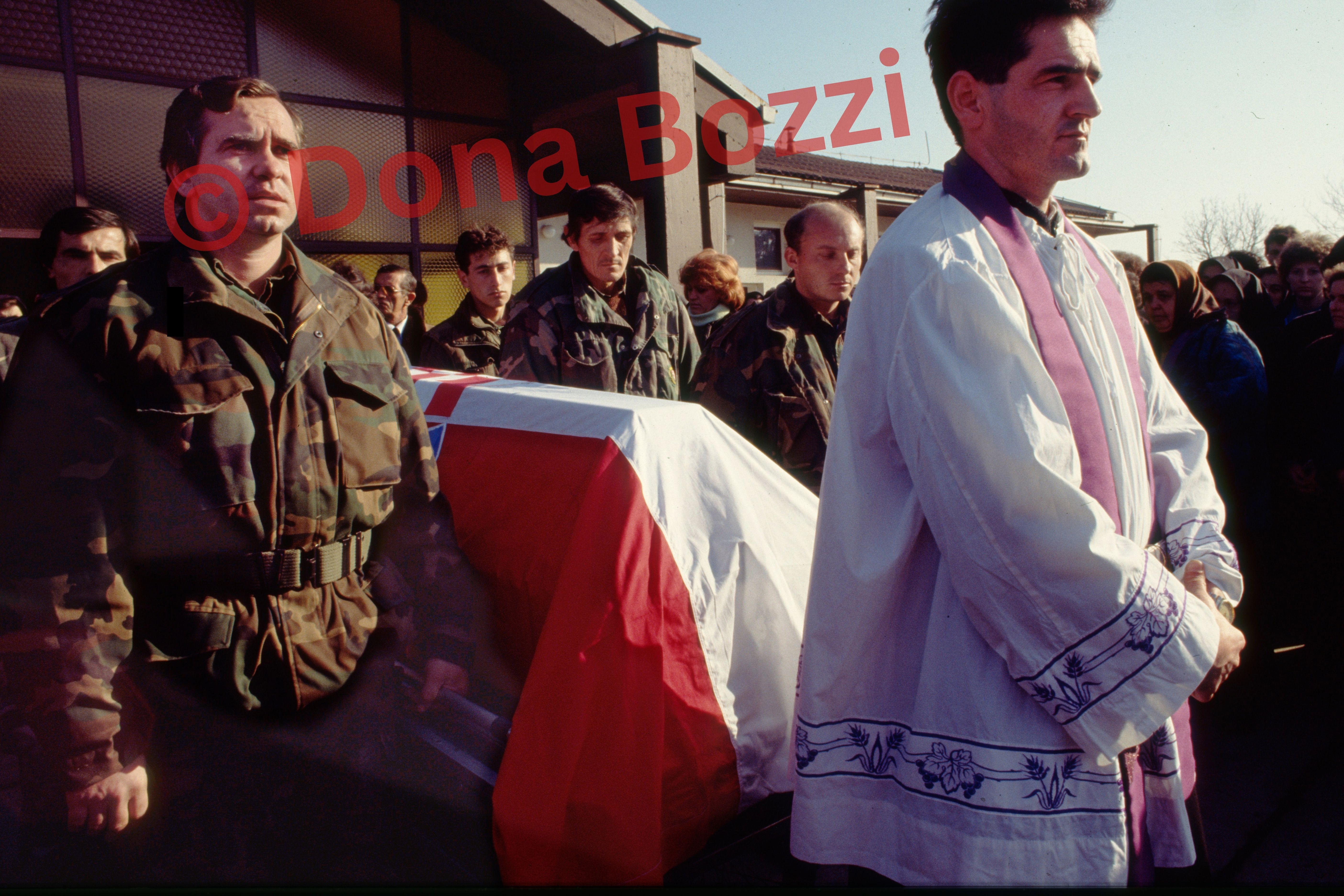
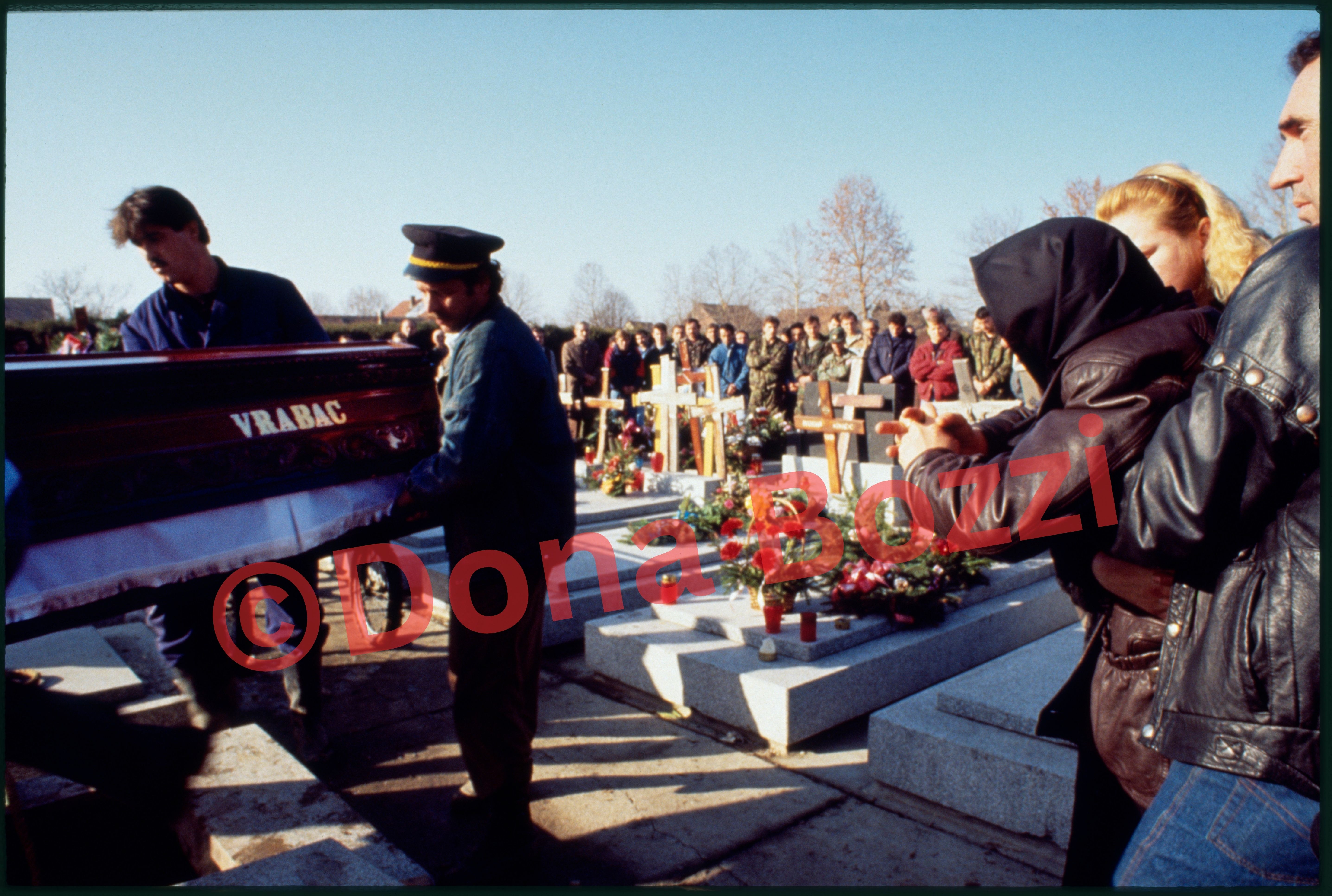
Karlovac,Croatia, April 04 1992,funeral of a Croatian soldier.In 1992 Croatian forces were fighting Serbian-backed militias in Croatia who controlled parts of Croatian territory. 
Karlovac,Croatia,April 4 1992, funeral of a Croatian soldier. In 1992
Croatian forces were fighting Serbian-backed militias in Croatia who
controlled parts of Croatian territory.
Karlovac,Croatia, April 4 1992,funeral of a Croatian soldier.In 1992 Croatian forces were fighting Serbian-backed militias in Croatia who controlled parts of Croatian territory.
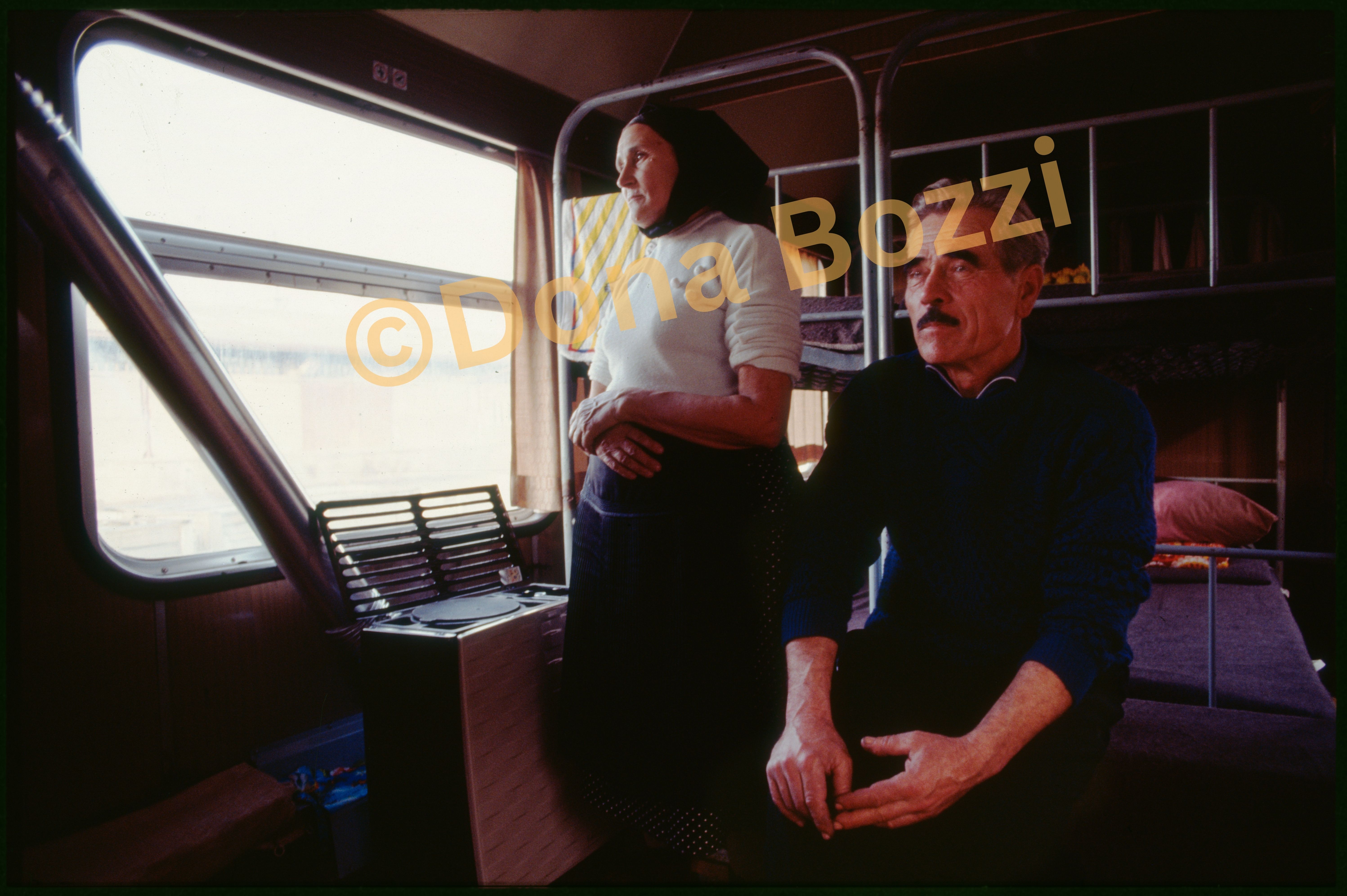
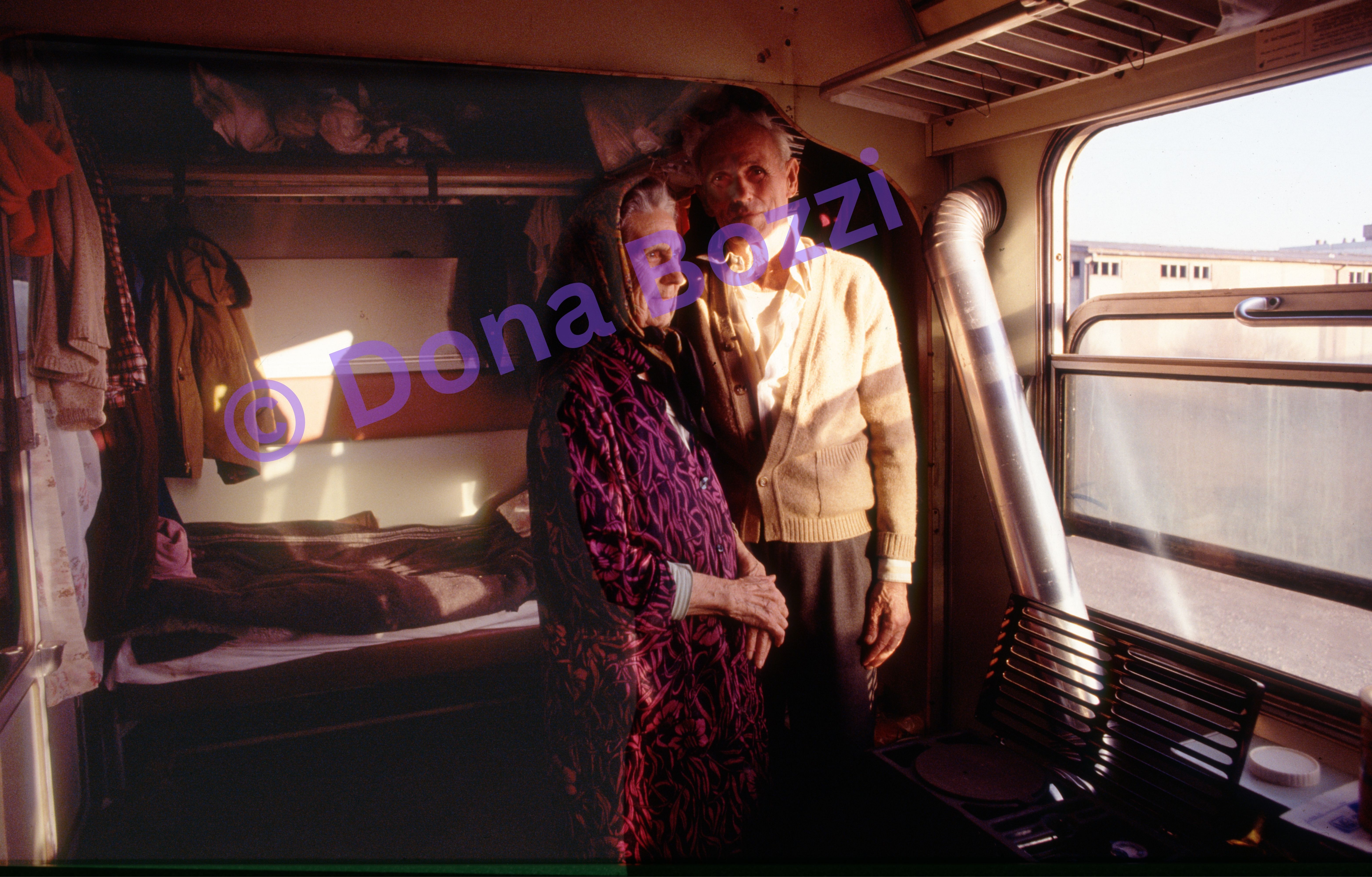
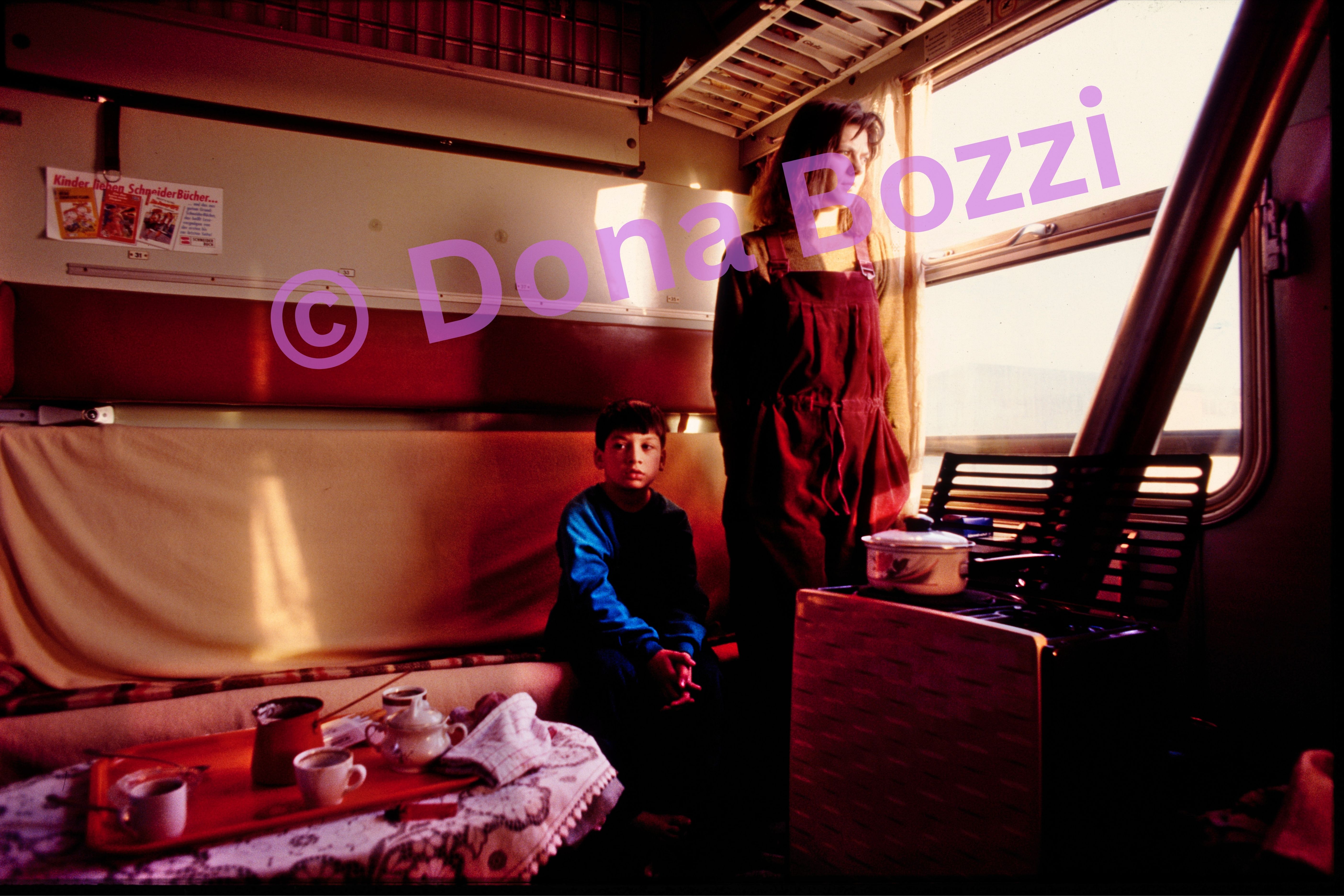
Vinkovci,Croatia, April 5 1992,Bosnian refugees hosted on train donated by Germany. The number of Bosnian refugees in Croatia reached around 16,500 in March 1992, This influx created a significant humanitarian and economic burden on Croatia
Vinkovci,Croatia,April 5 1992,Bosnian refugees hosted on train donated by Germany.The number of Bosnian refugees in Croatia reached around 16,500 in March 1992, This influx created a significant humanitarian and economic burden on Croatia
Vinkovci,Croatia, April 5 1992,Bosnian refugees hosted on train donated by Germany. The number of Bosnian refugees in Croatia reached around 16,500 in March 1992, This influx created a significant humanitarian and economic burden on Croatia
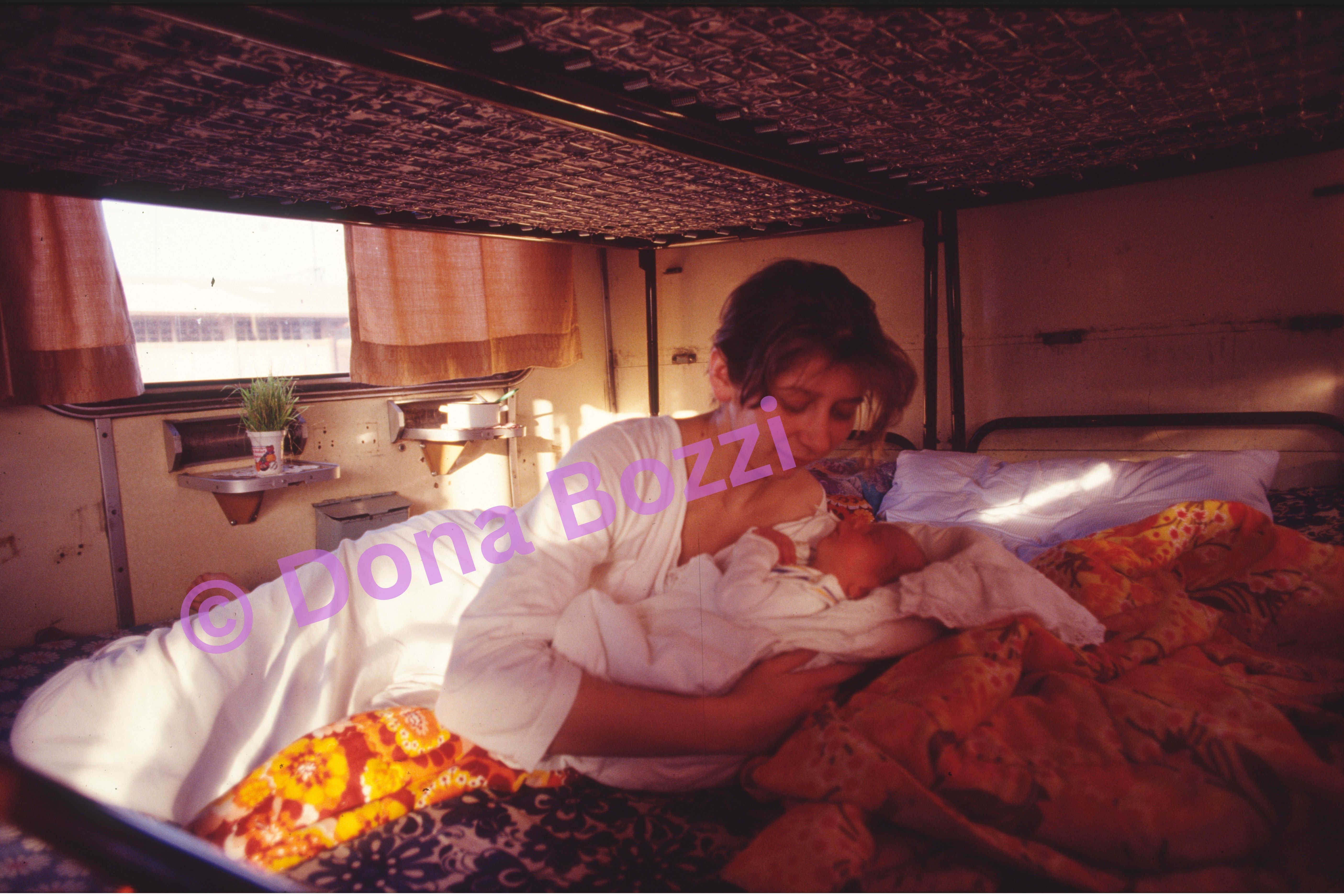
Vinkovci,Croatia, April 5 1992, a Bosniak refugee gave birth in train donated by Germany.The number of Bosnian refugees in Croatia reached around 16,500 in March 1992, This influx created a significant humanitarian and economic burden on Croatia
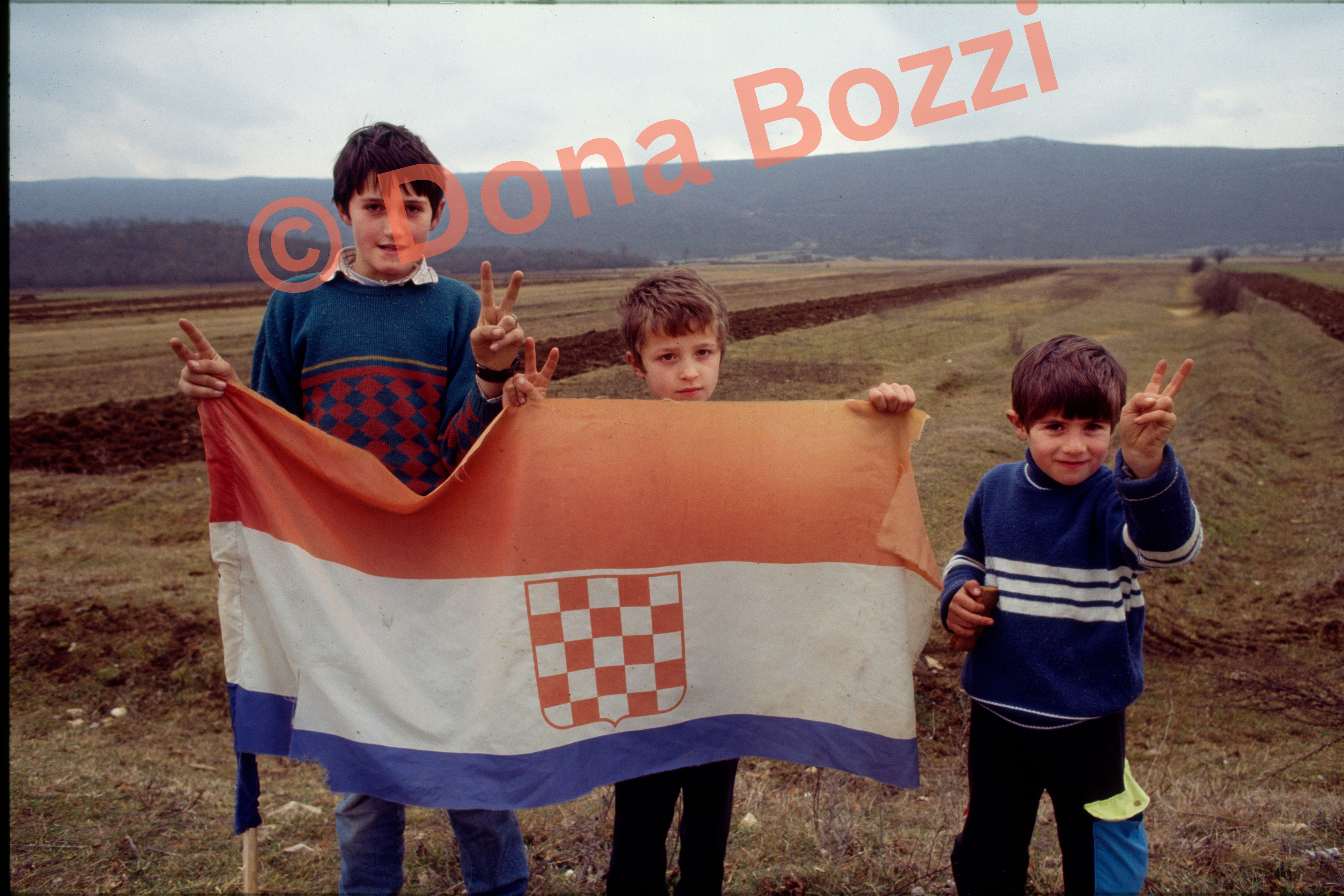
Varazdin countryside,Croatia,Croatian boys holding Croatian flag,on April 6 1992. In 1992, the Vance plan established a ceasefire,after major gains of Serbian forces in Croatia in 1991.
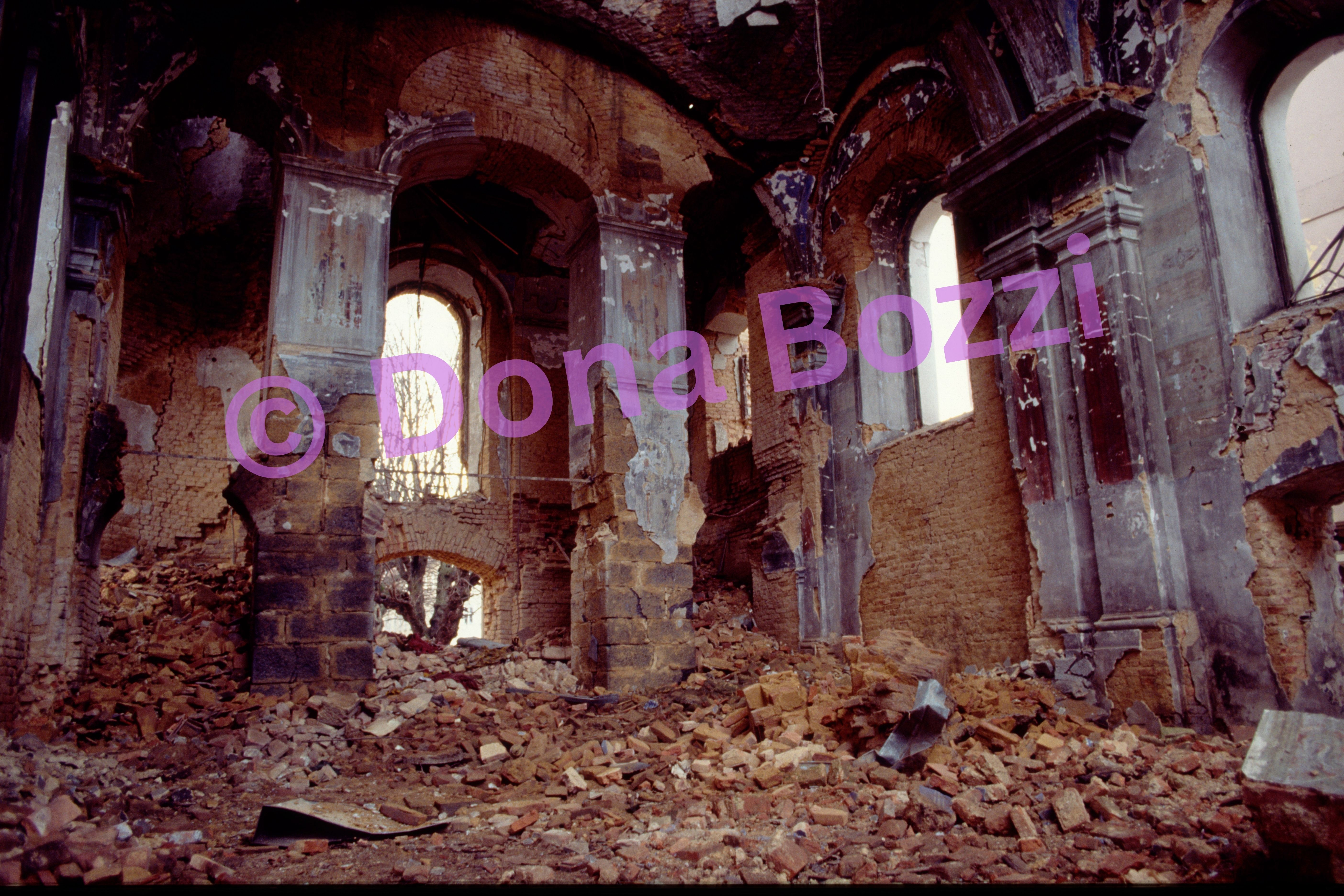
Karlovac, St.Nicholas Serbian Orthodox Church, April 7 1992. Mines were detonated inside the church by Croatian forces in 1991
Karlovac,Croatia, St.Nicholas Serbian Orthodox Church,April 7 1992. Mines were detonated inside the church by Croatian forces in 1991. The church is now rebuilt
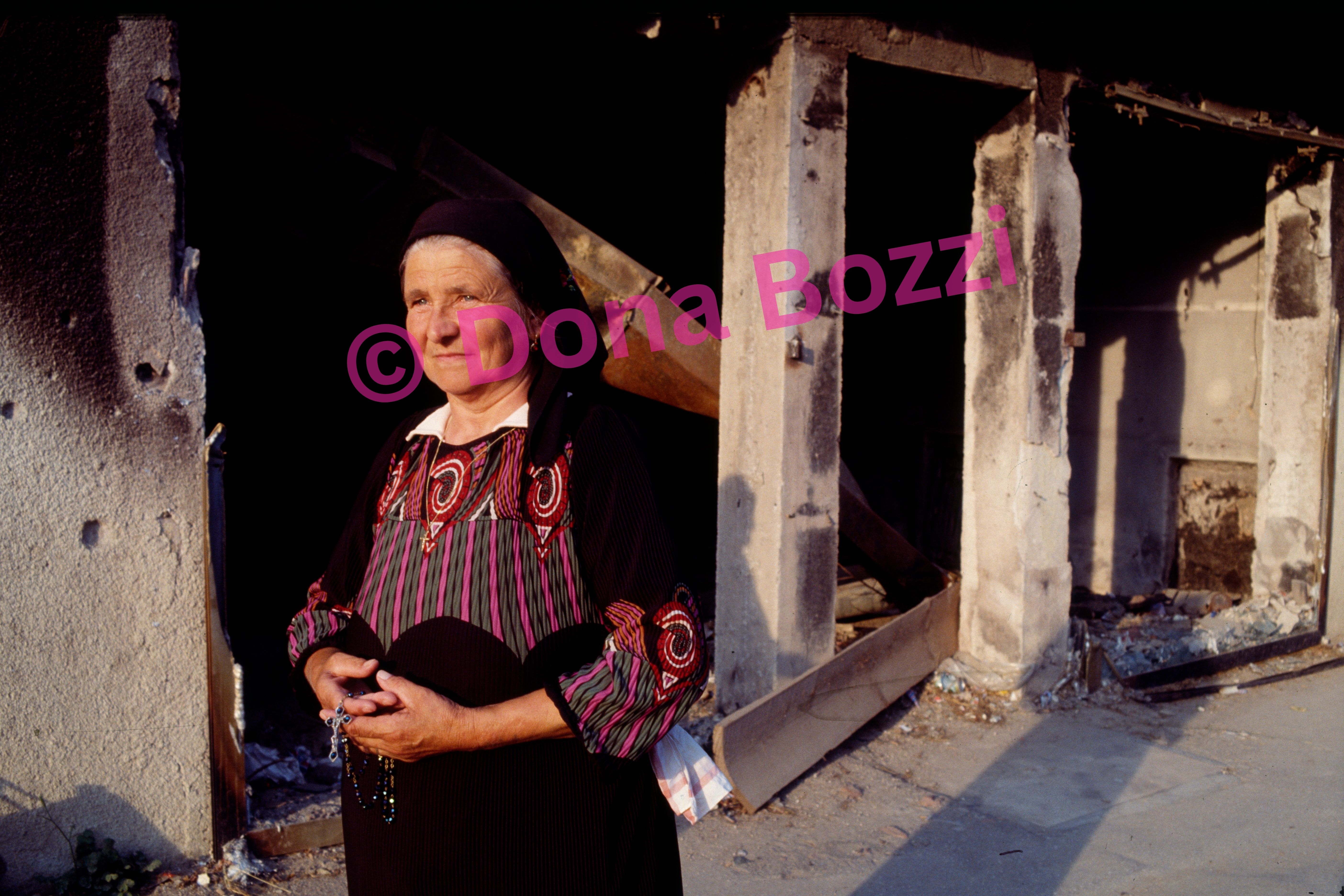
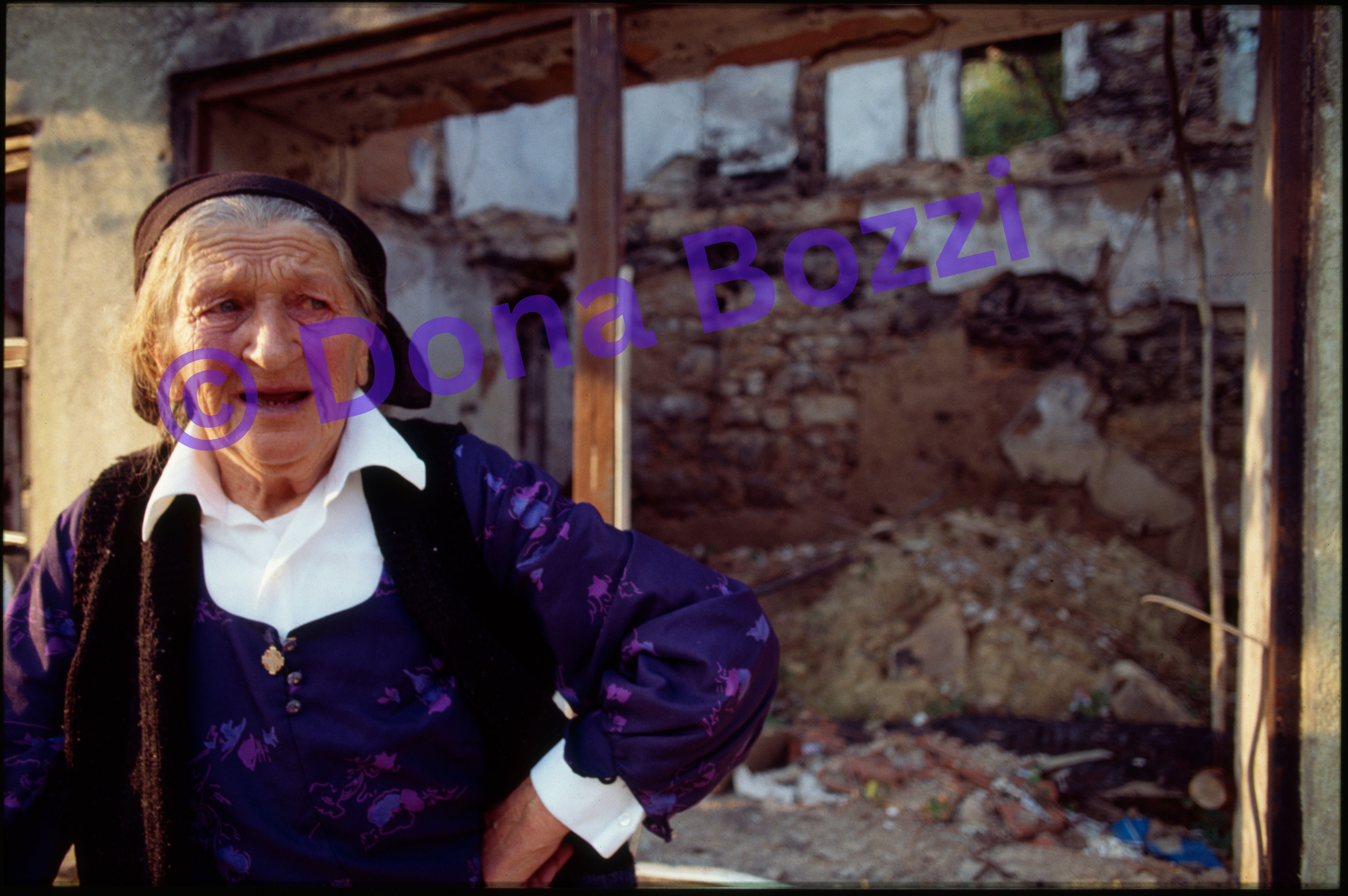
Mostar, April 11 1992,a woman in front of a building hit by Serbian shelling. In 1992 Mostar was.heavily hit by the JNA, the Yugoslav National Army, during a siege which involved the destruction of most of the city’s bridges.
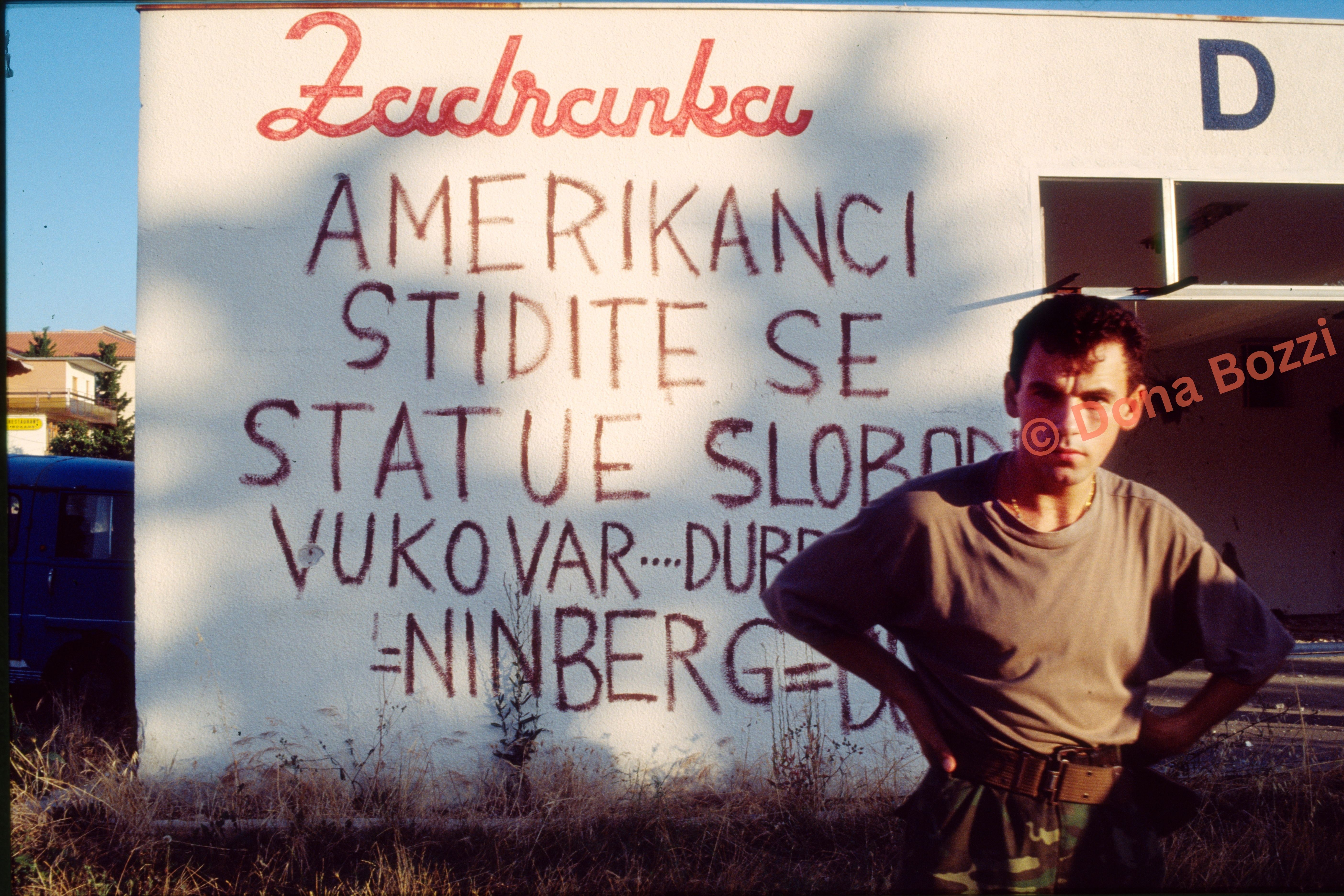
Dakovo, Croatia, April 10 1992. The writing on the wall: Americans,shame on your statue,seems to represent the resentment of the Croatian Bosniak population towards the US for not intervening early enough in the conflict.
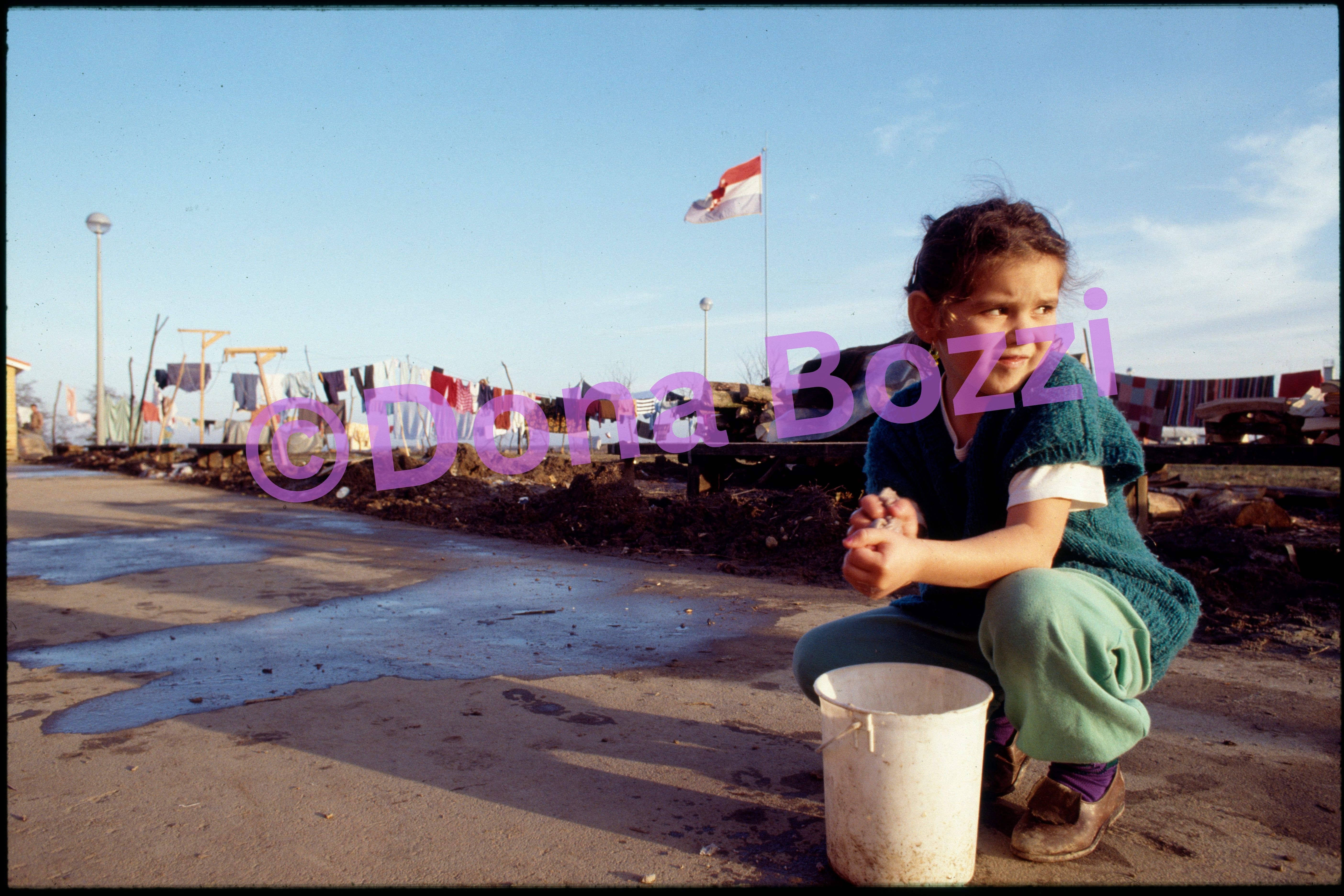
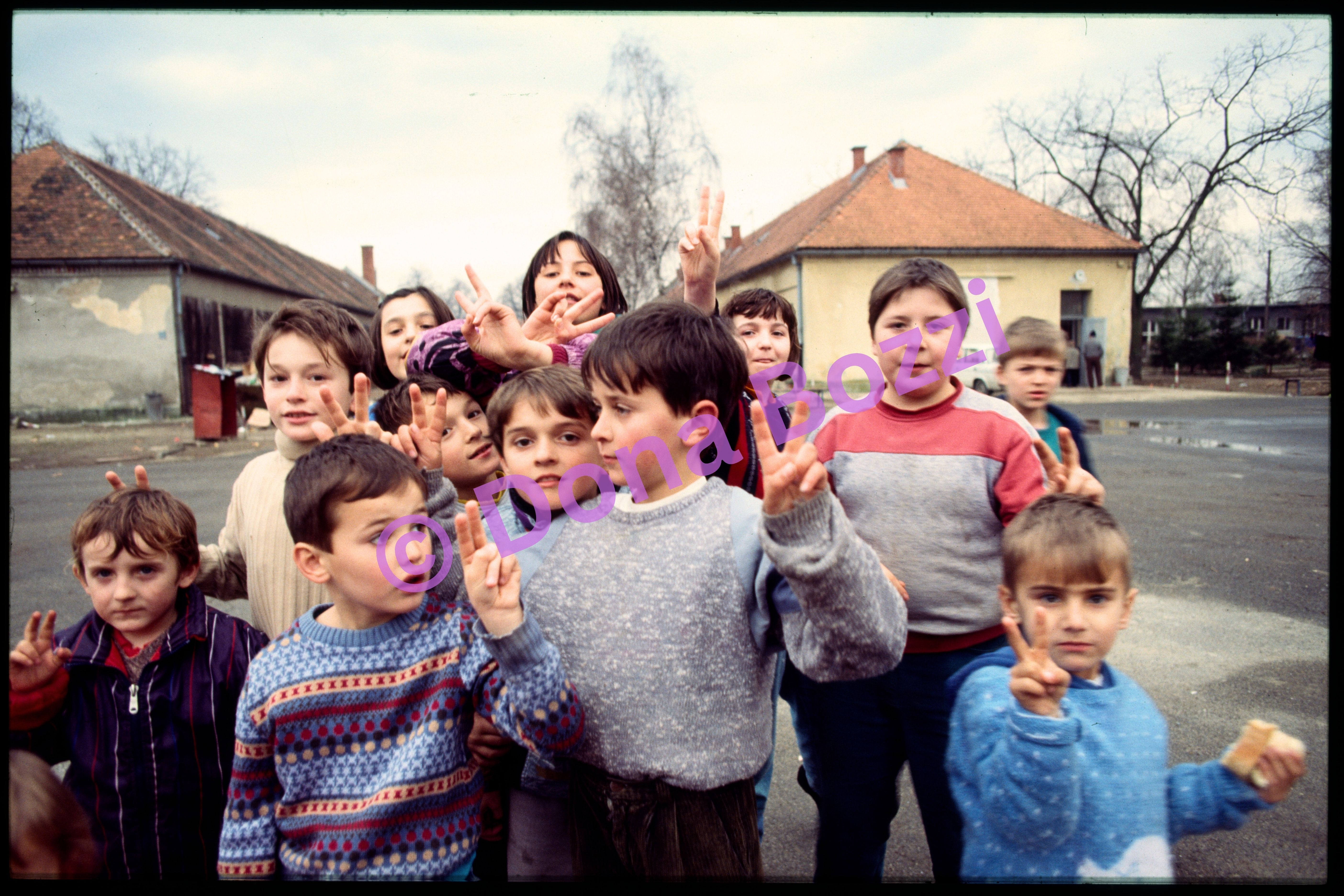
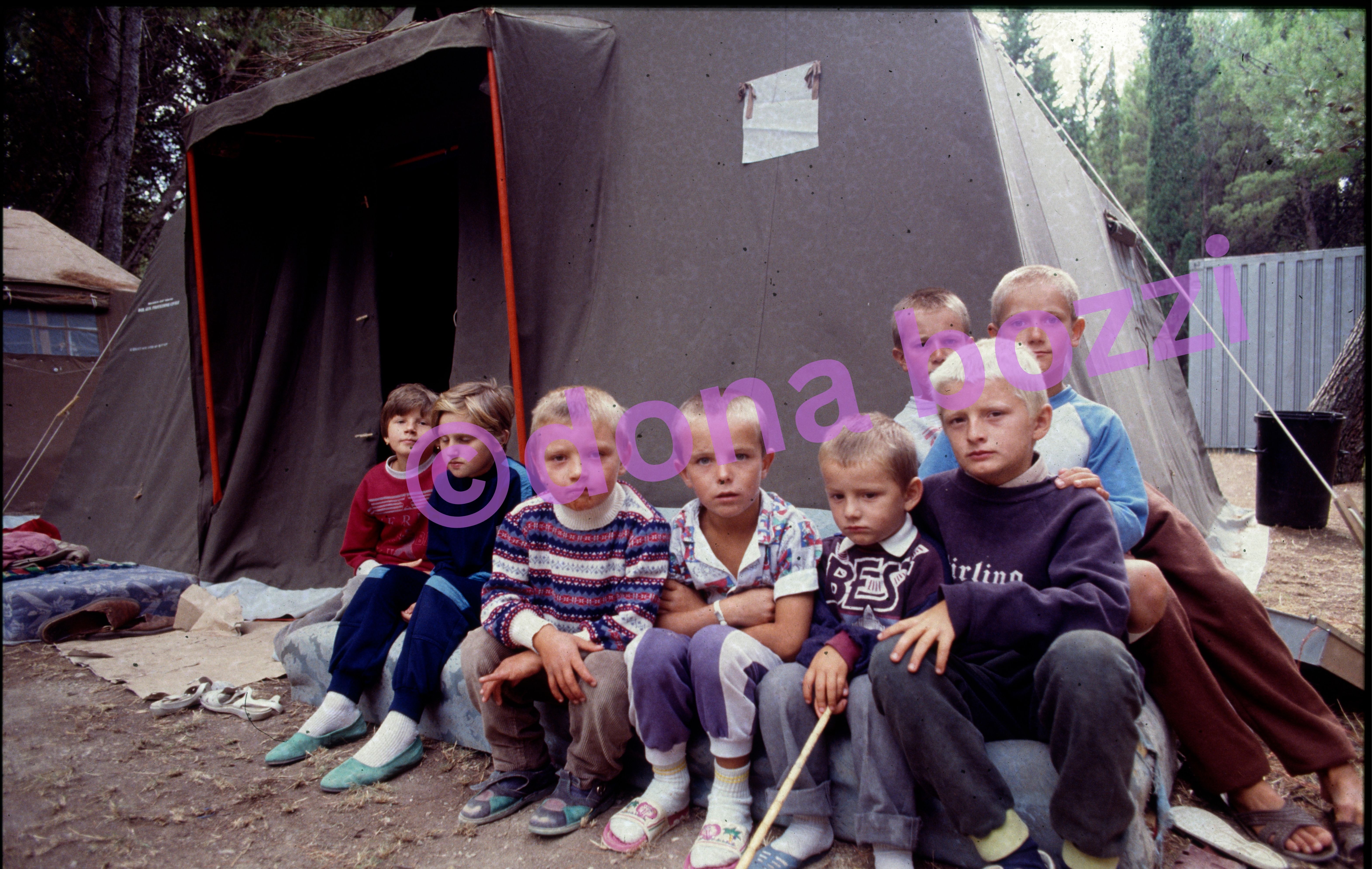
Osijeck, Croatia, April 13 1992 ,Camp hosting Bosniak refugees. The number of Bosnian refugees in Croatia reached around 16,500 in March 1992, This influx created a significant humanitarian and economic burden on Croatia.
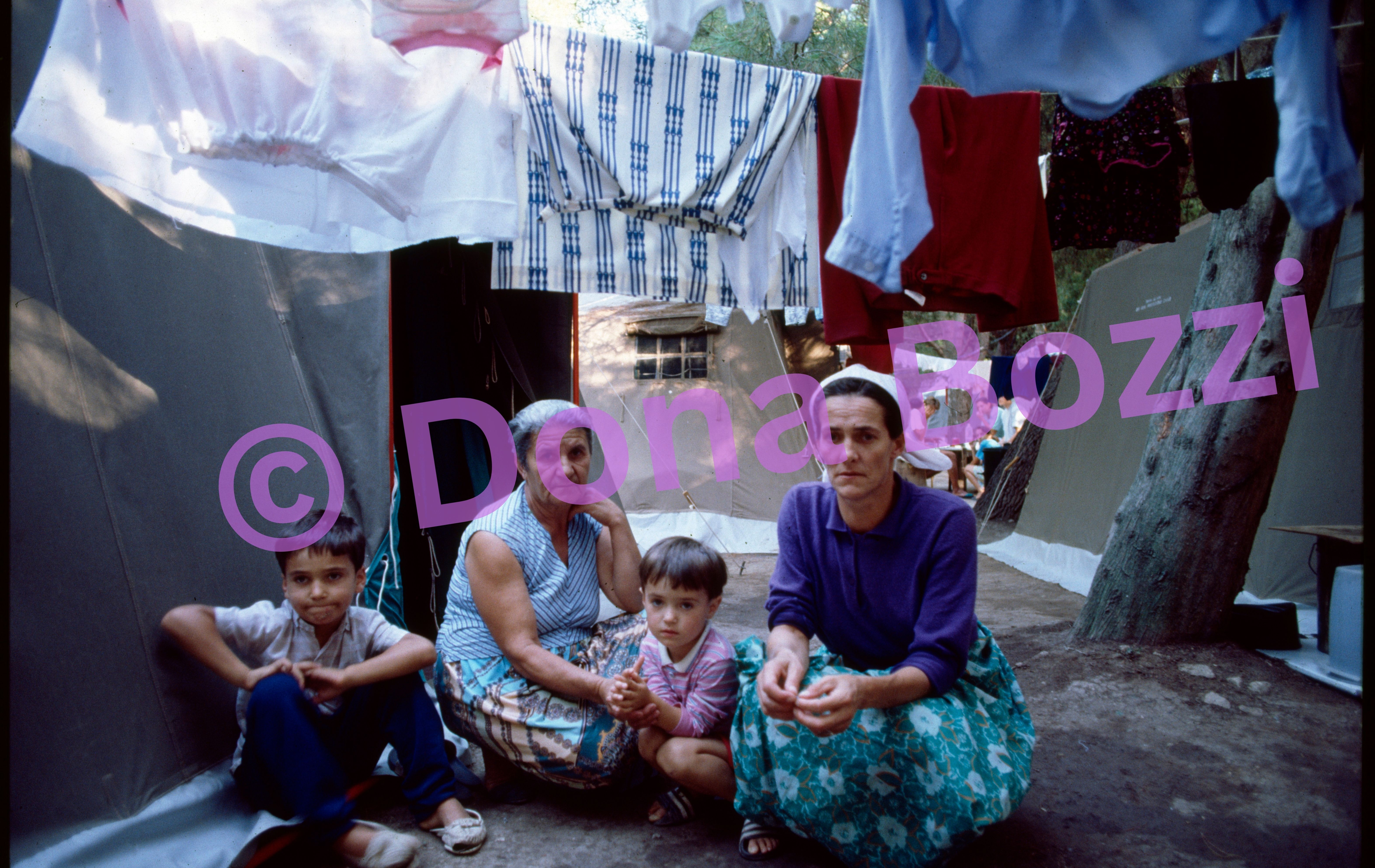
Varazdin,Croatia, April 14 1992,shelter for Bosnian refugees.The number of Bosnian refugees in Croatia reached around 16,500 in March 1992, This influx created a significant humanitarian and economic burden on Croatia.
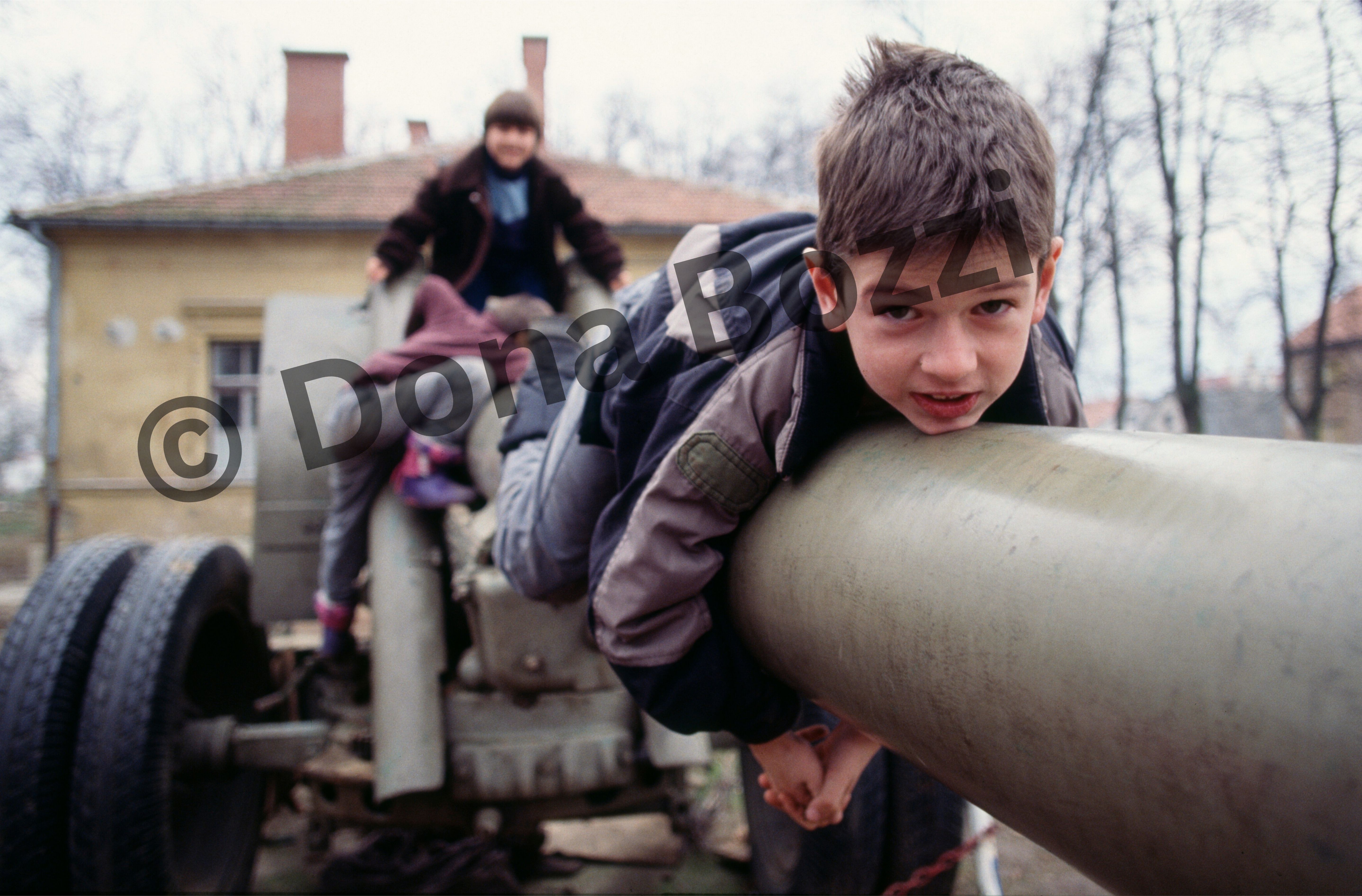
Mostar, April 17 1992, Bosnian children playing with tanks. Mostar was besieged by the Serb dominated Yugoslav People’s Army in 1992 after Bosnia and Herzegovina declared independance
Virovitica countryside,Croatia,April 18,outside a camp for Bosnian refugees.The number of Bosnian refugees in Croatia reached around 16,500 in March
1992, This influx created a significant humanitarian and economic
burden on Croatia.
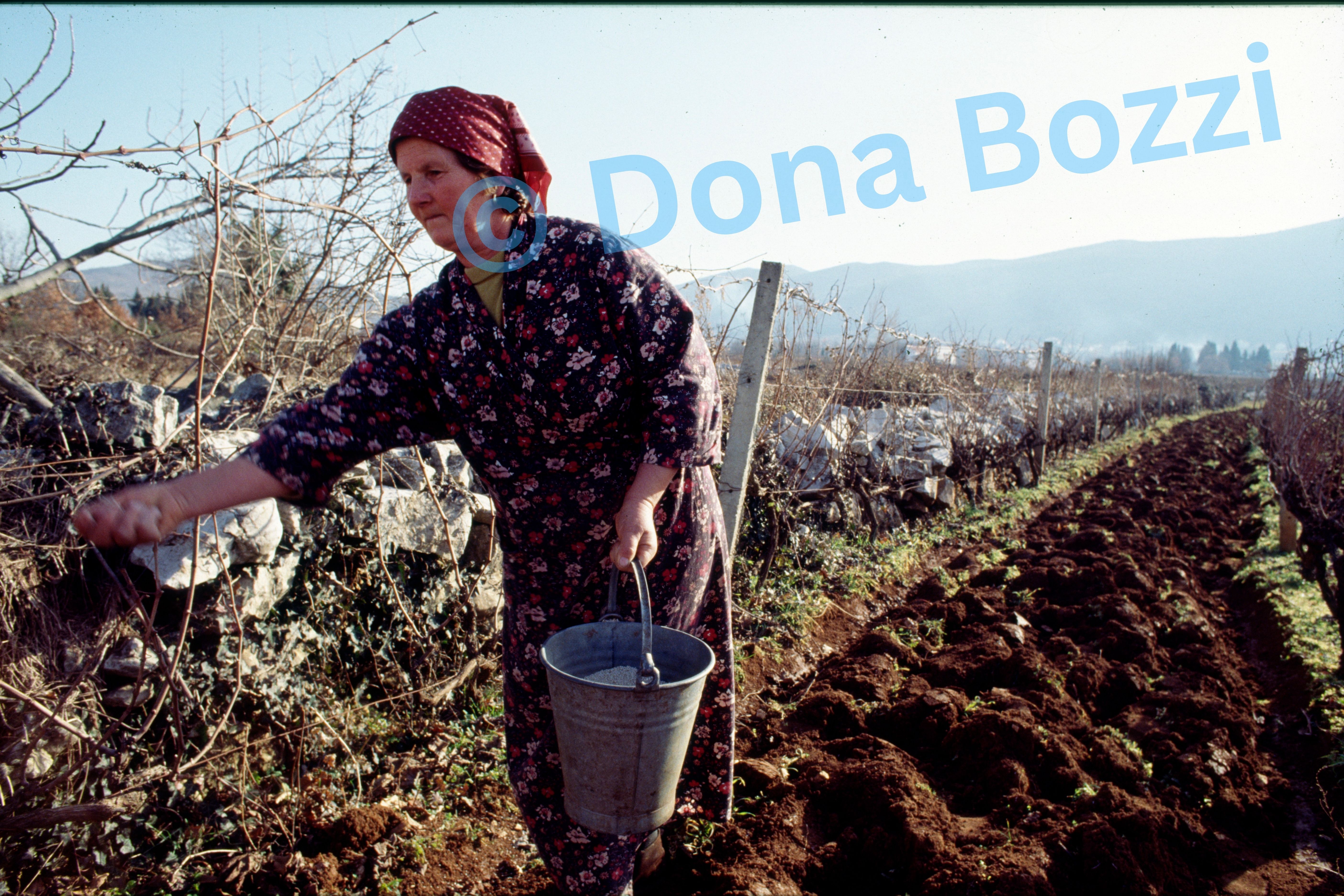
Karlovac countryside, Croatia,April 20 1992,a woman sowing seeds in the ground
Virovitica, Croatia, April 24 1992, Bosnian refugee camp. The number of Bosnian refugees in Croatia reached around 16,500 in March
1992. This influx created a significant humanitarian and economic
burden on Croatia.
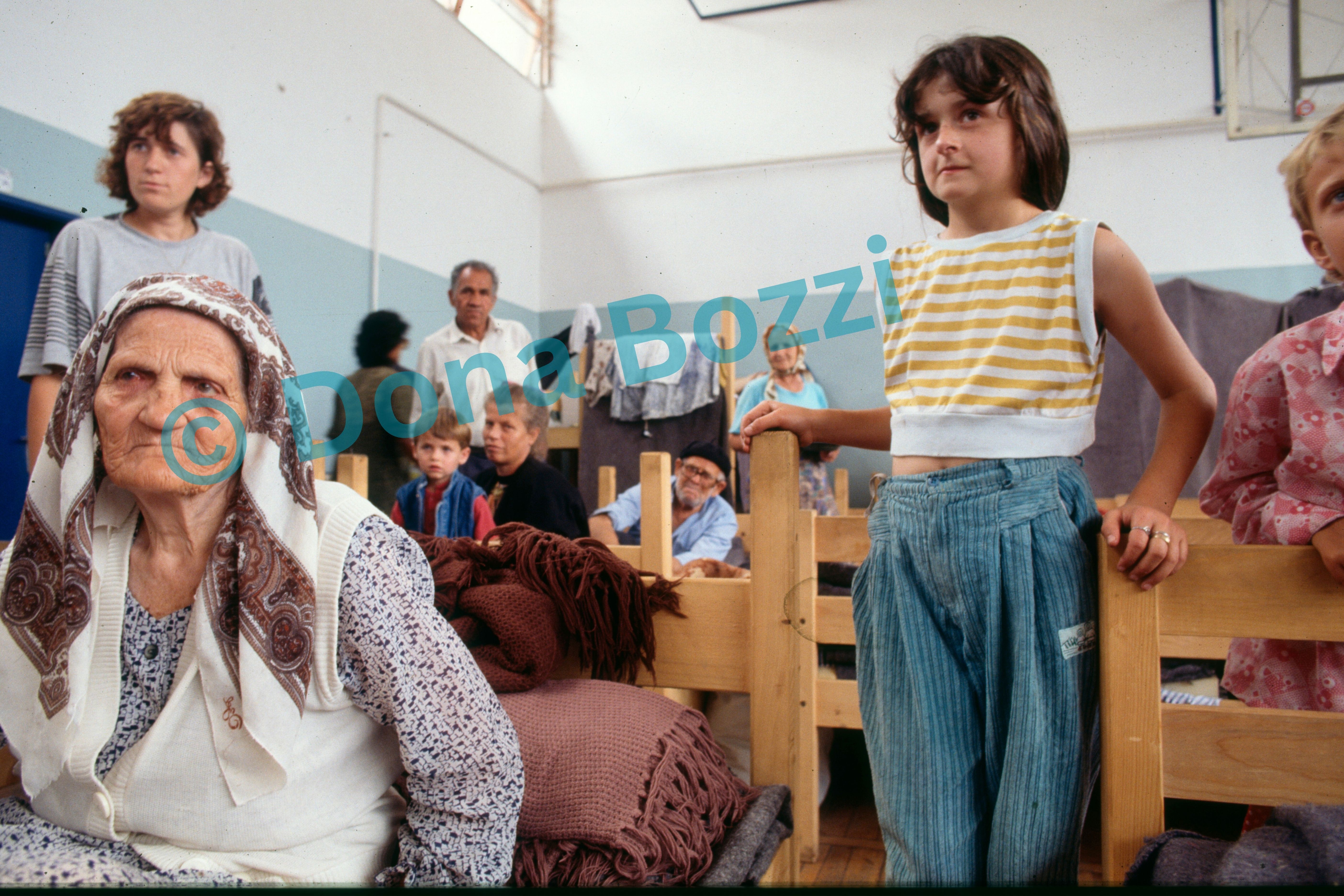
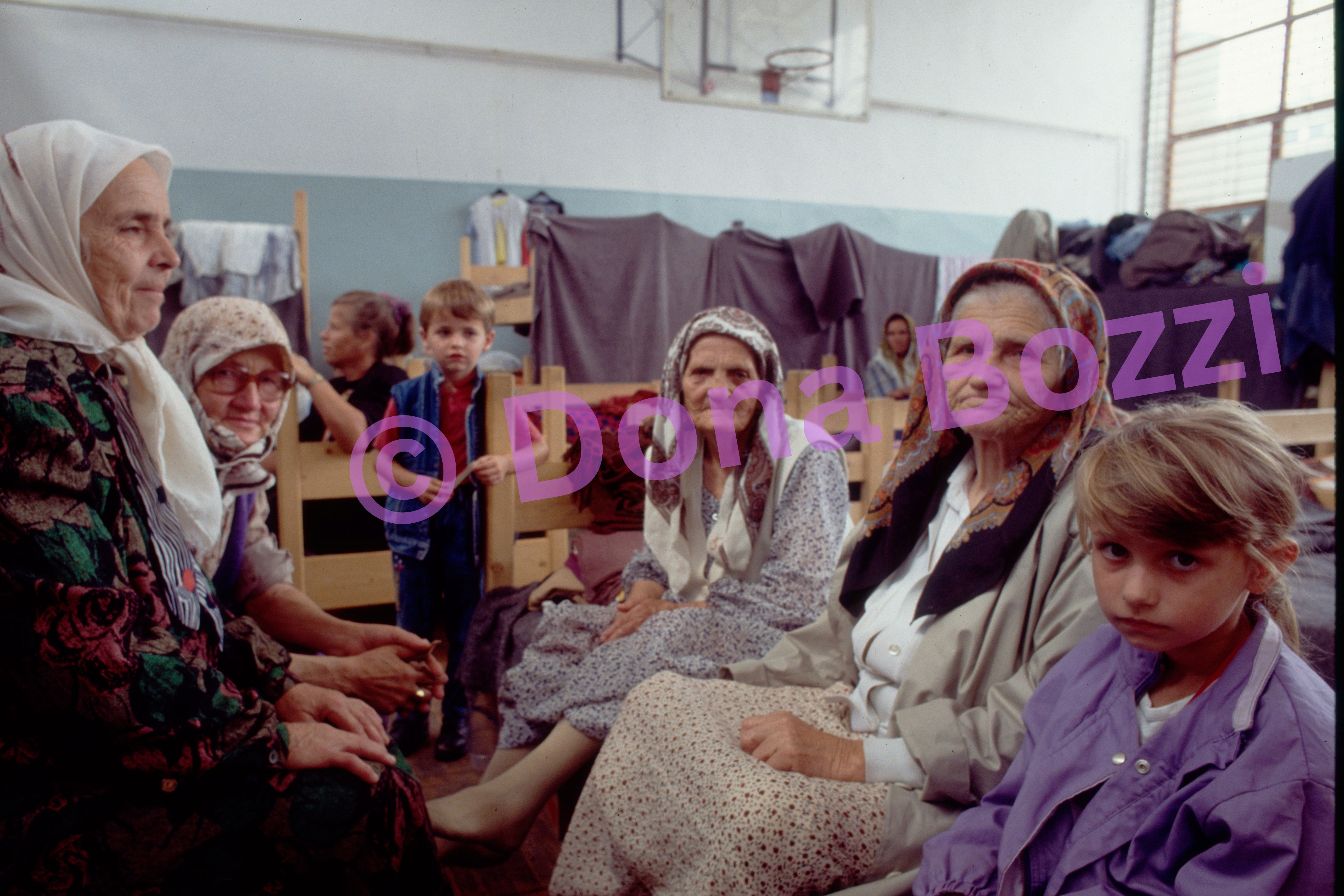
Zenica, Bosnia,April 26 1992, Bosniak refugee camp.In 1992 Bosnia had centers for internally displaced people (IDPs) to provide humanitaria aid. The conflict caused a massive wave of displacement.
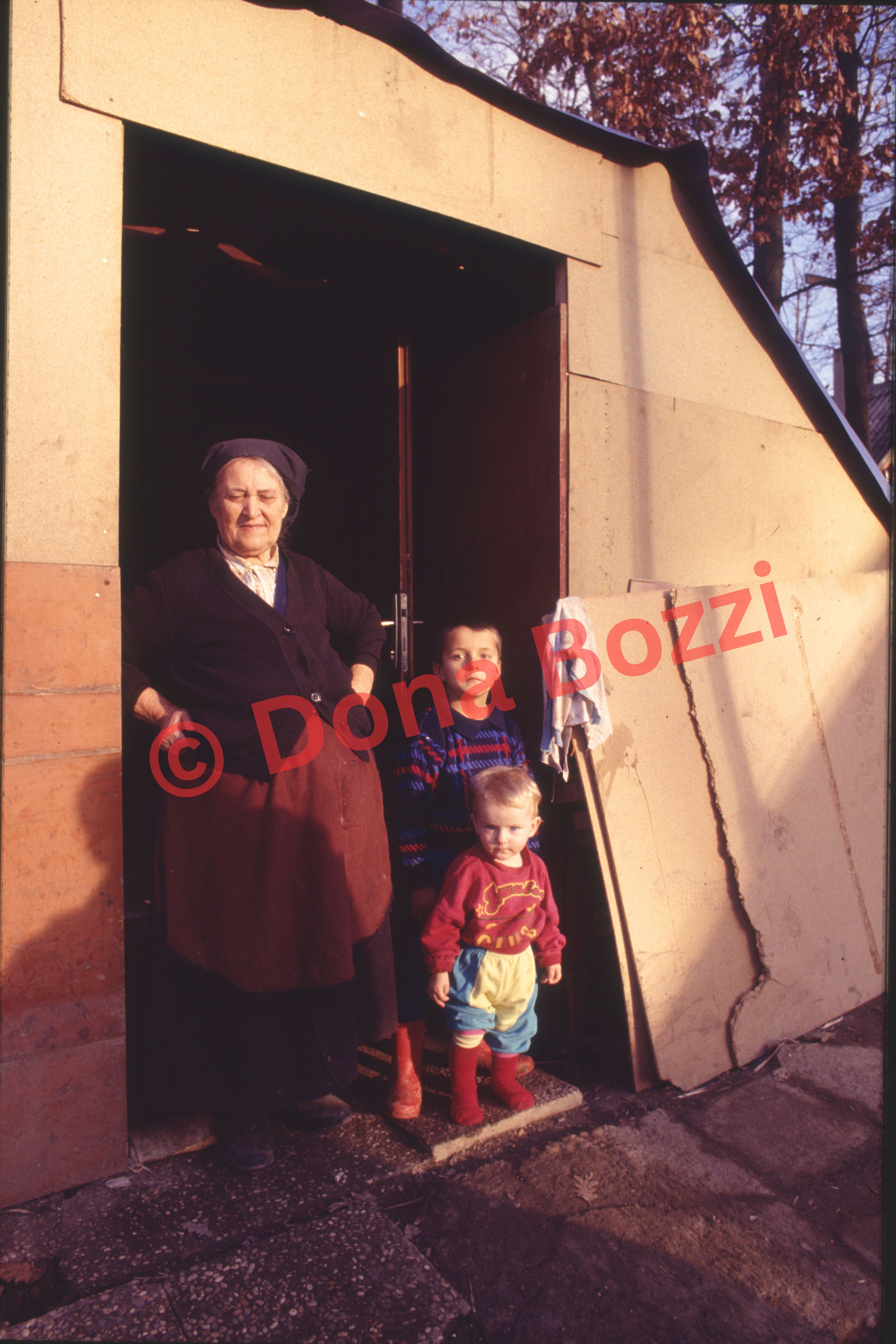
Zenica,Bosnia,April 28 1992, shelter for Bosnian refugees.In 1992 Bosnia had centers for internally displaced people (IDPs) to provide humanitaria aid. The conflict caused a massive wave of displacement.
Zenica, Bosnia, April 28 1992, shelter for Bosnian refugees.In 1992 Bosnia had centers for internally displaced people (IDPs) to provide humanitaria aid. The conflict caused a massive wave of displacement.
Zenica,Bosnia,April 28 1992,shelter for Bosnian refugees.In 1992 Bosnia had centers for internally displaced people (IDPs) to provide humanitaria aid. The conflict caused a massive wave of displacement.
Zenica,Bosnia,April 29 1992, camp hosting Bosnian refugees.In 1992 Bosnia had centers for internally displaced people (IDPs) to provide humanitaria aid. The conflict caused a massive wave of displacement.
Zenica, Bosnia,April 30 1992,camp hosting Bosnian refugees.In 1992 Bosnia had centers for internally displaced people (IDPs) to provide humanitarian aid. The conflict caused a massive wave of displacement.
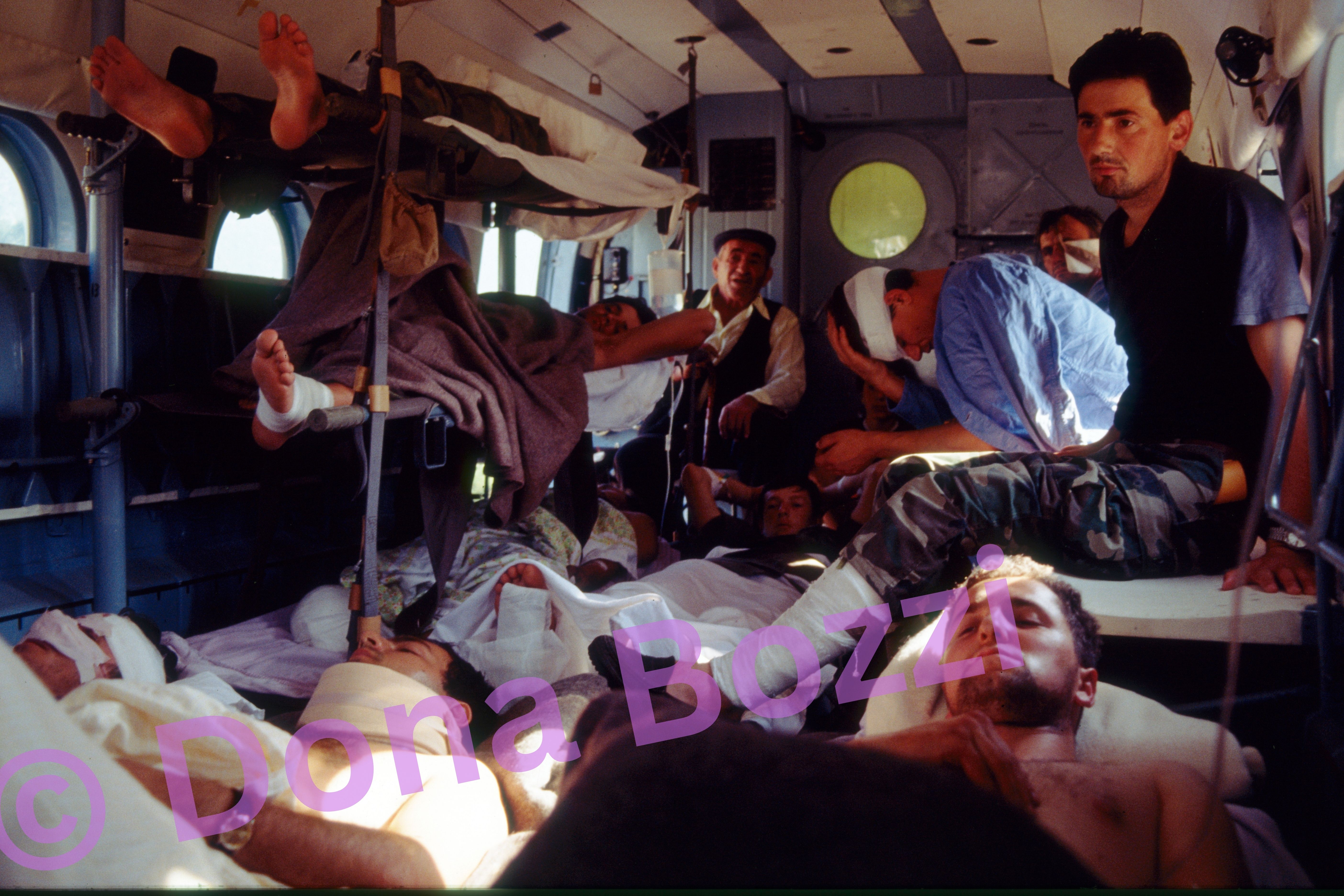
Zenica, Bosnia, May 1st 1992, wounded Bosniak fighters.When the war started in April 1992, the Army of the Republic of Bosnia and Herzegovina (dominated by Bosniaks) and the Bosnian Croat military were allied against the Bosnian Serb army and the Yugoslav army forces
Zenica, Bosnia,May 05 1992, refugee camp.In 1992 Bosnia had centers forinternally displaced people (IDPs) to provide humanitarian aid. The conflict caused a massive wave of displacement.
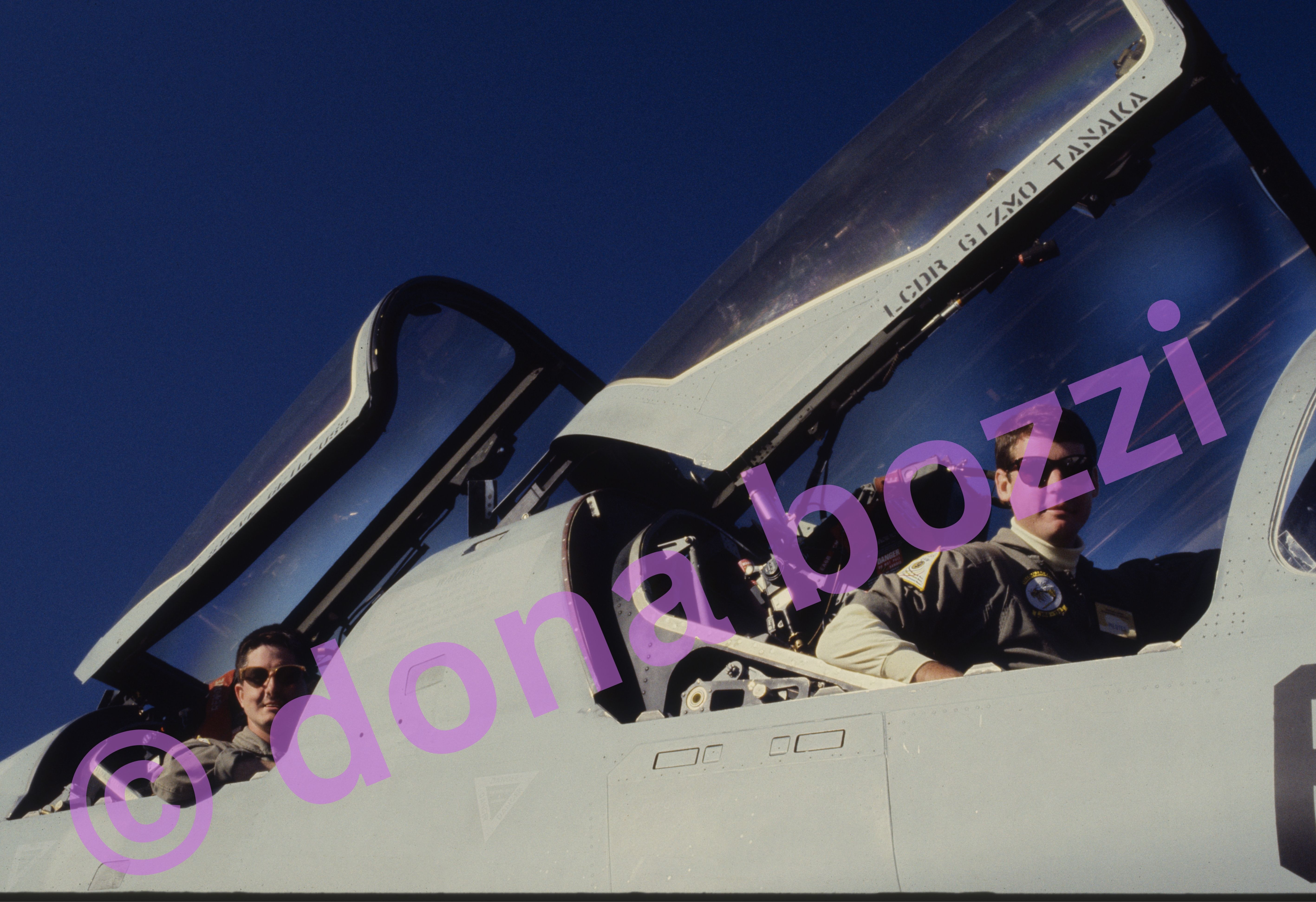
Zenica, Bosnia, May 6 1992, an aircraft part of the UNPROFOR Mission in Bosnia.Its mandate included delivering humanitarian aid, protecting designated “safe areas”
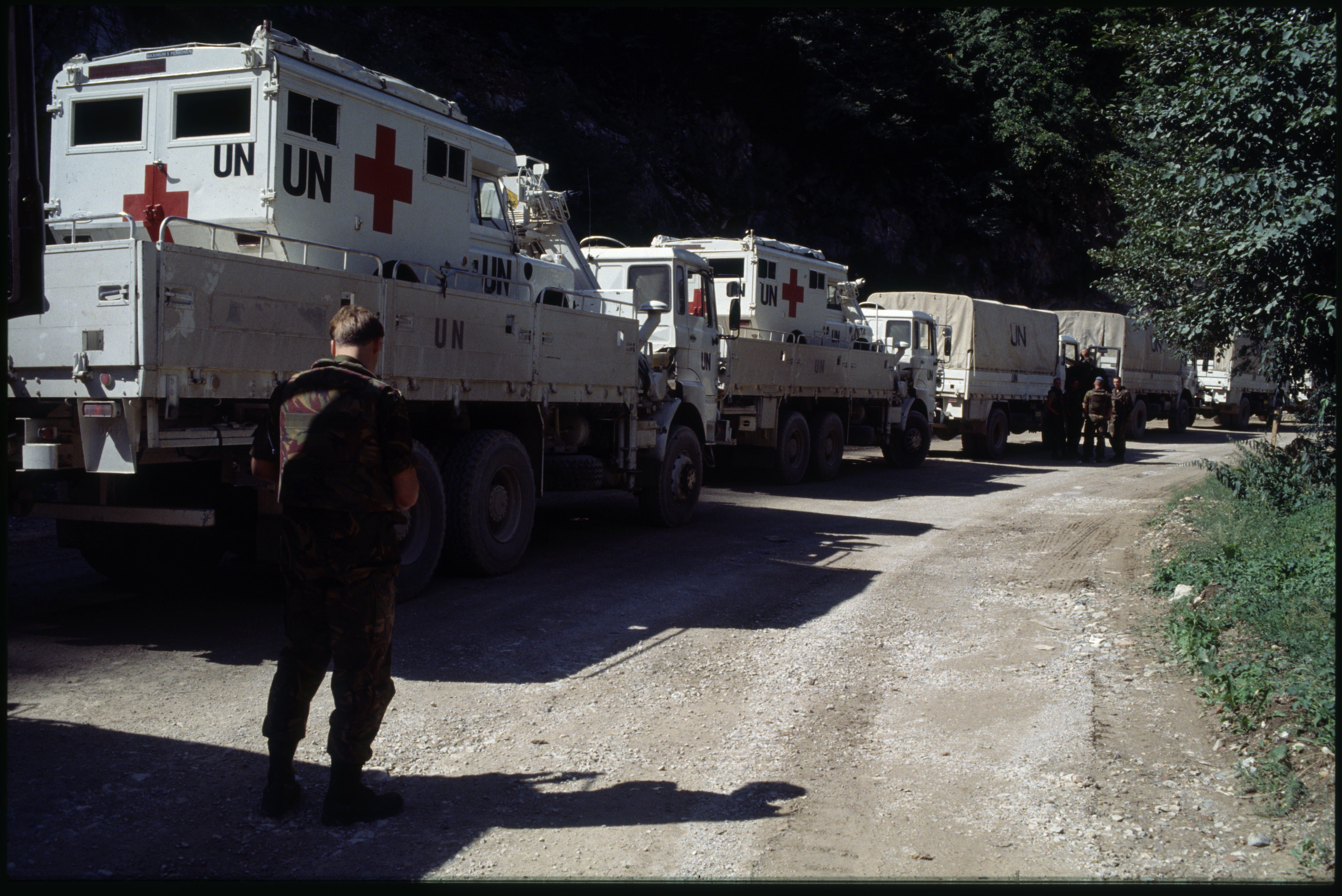
Zenica, Bosnia,May 7 1992,UN humanitarian aid convoy.The UN’s large-scale humanitarian mission in Bosnia began in 1992 with the establishment of the UN Protection Force (UNPROFOR)
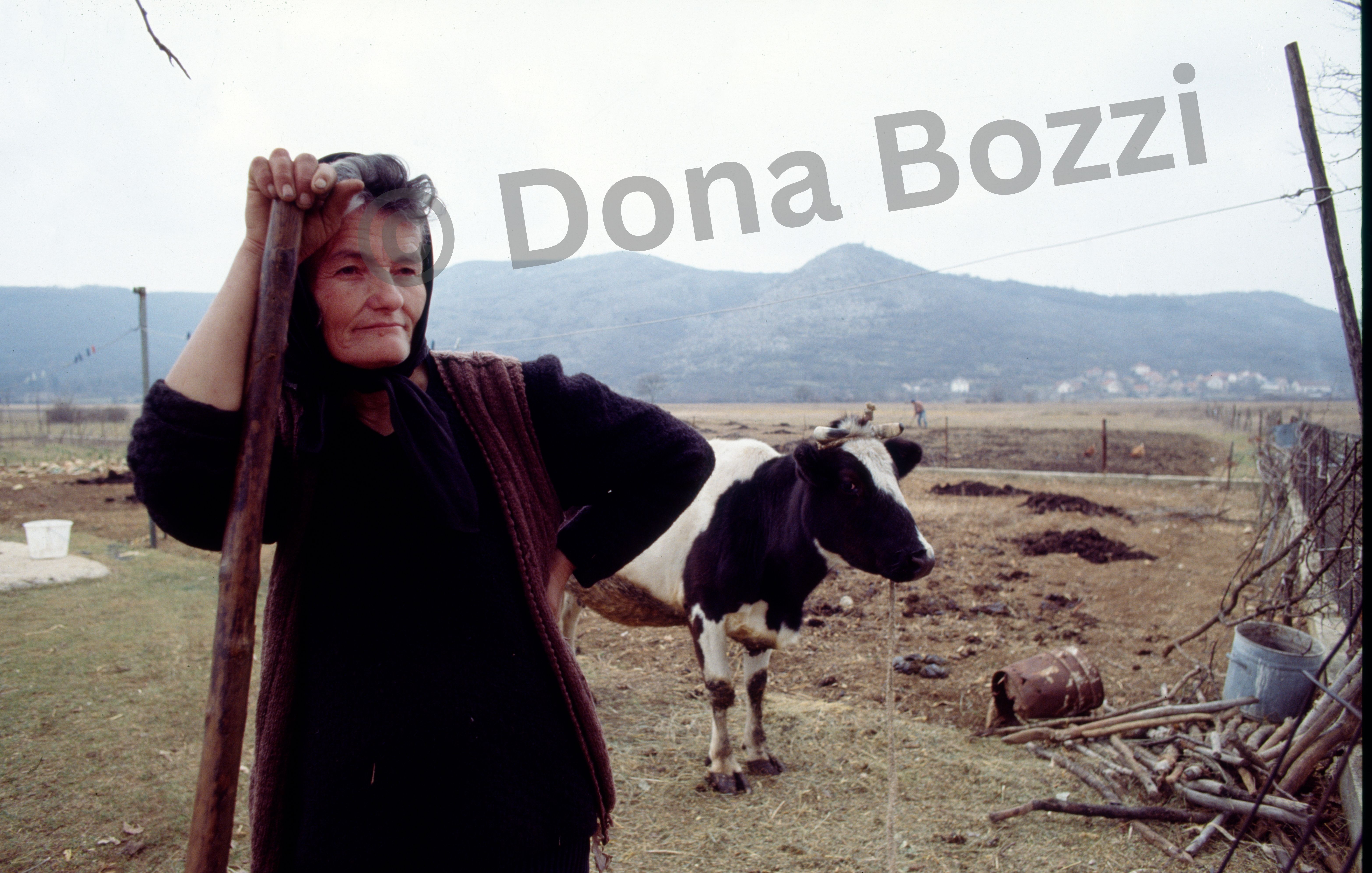
Zenica countryside,Bosnia,May 7 1992,a Bosniak woman tending her cow.
Zenica, Bosnia,May 7 1992, Bosniak residents in front of building hit by a Serbian airstrike
Dakovo, Croatia, May 7 1992. The number of Bosniak refugees in Croatia reached around 16,500 in March 1992.This influx created a significant humanitarian and economic burden on Croatia.
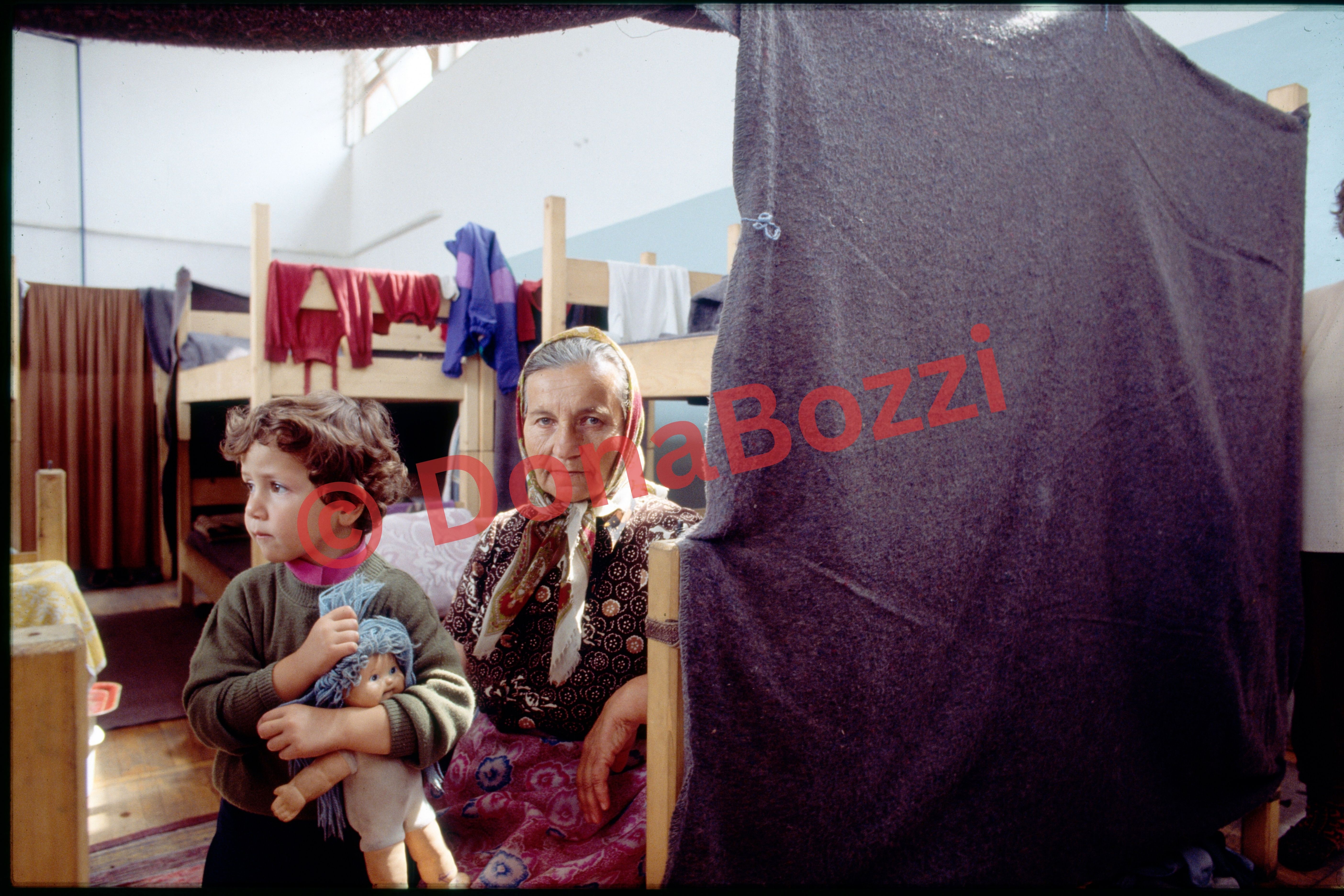
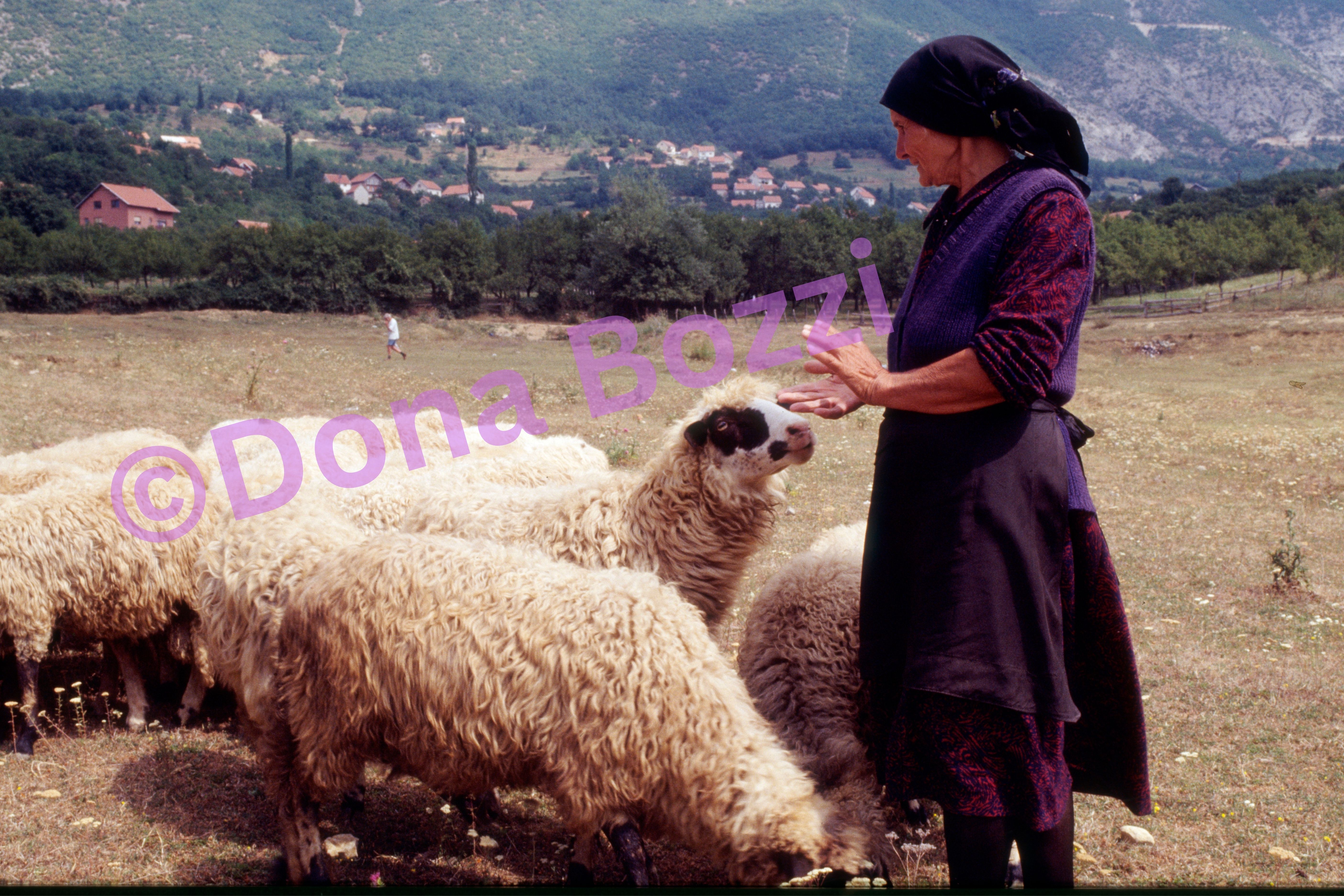
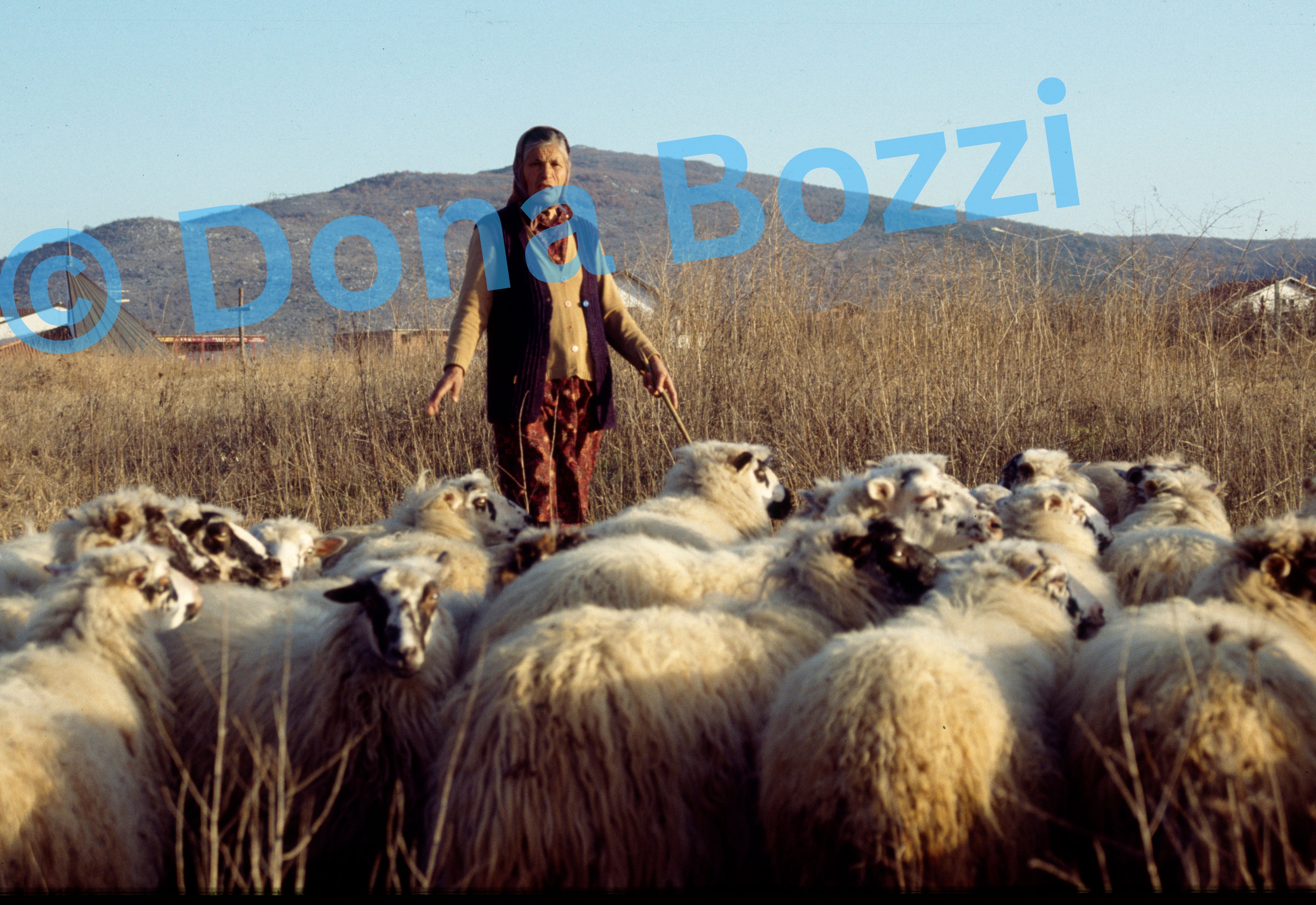
Unspecified village in Northern Bosnia,May 8 1992.A Bosniak woman tending her flock
Unspecified village in Northern Bosnia,May 8 1992,a Bosniak woman tending her flock.
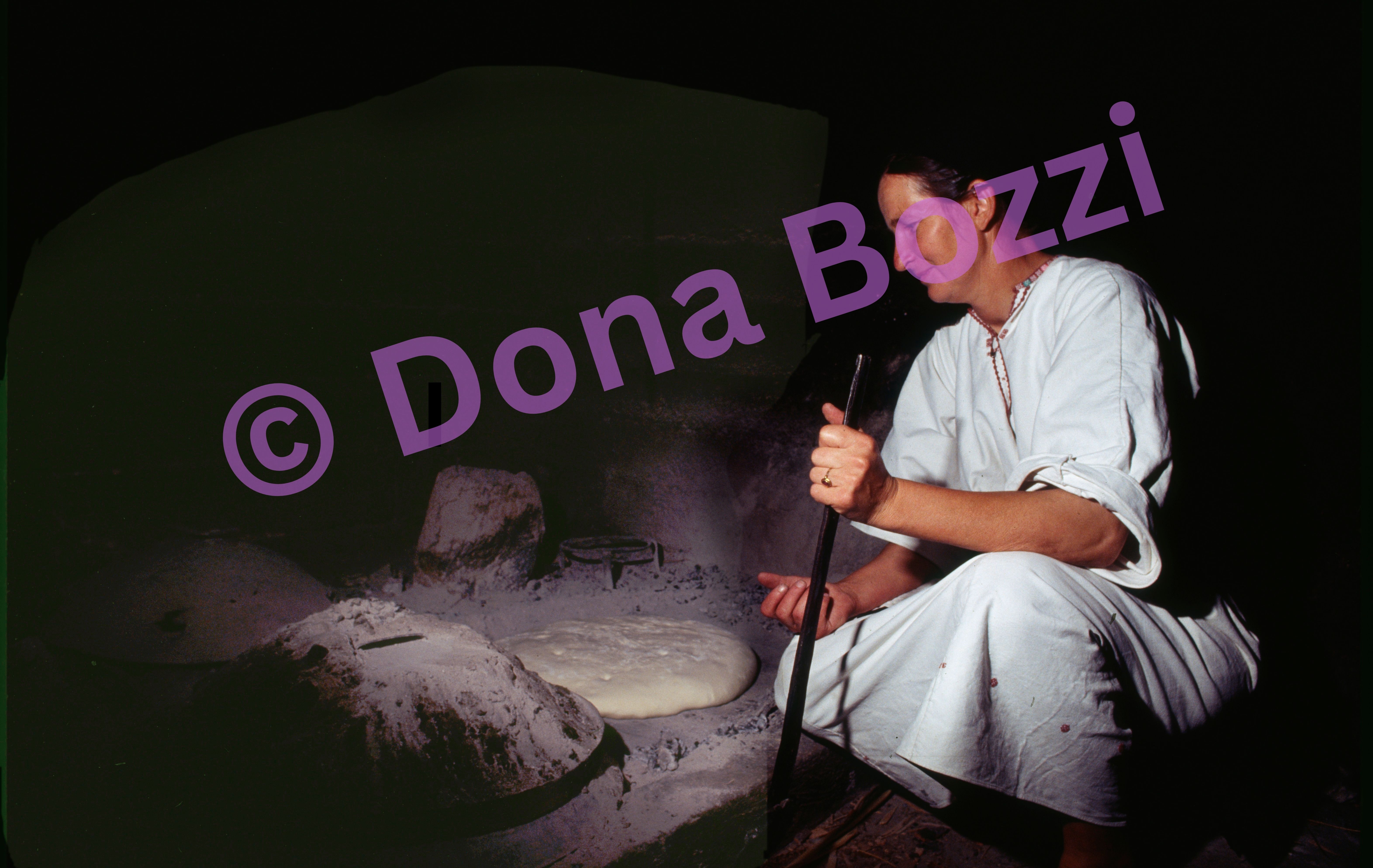
Zenica,Bosnia,May 8 1992,a Bosniak woman making bread in a makeshift oven.
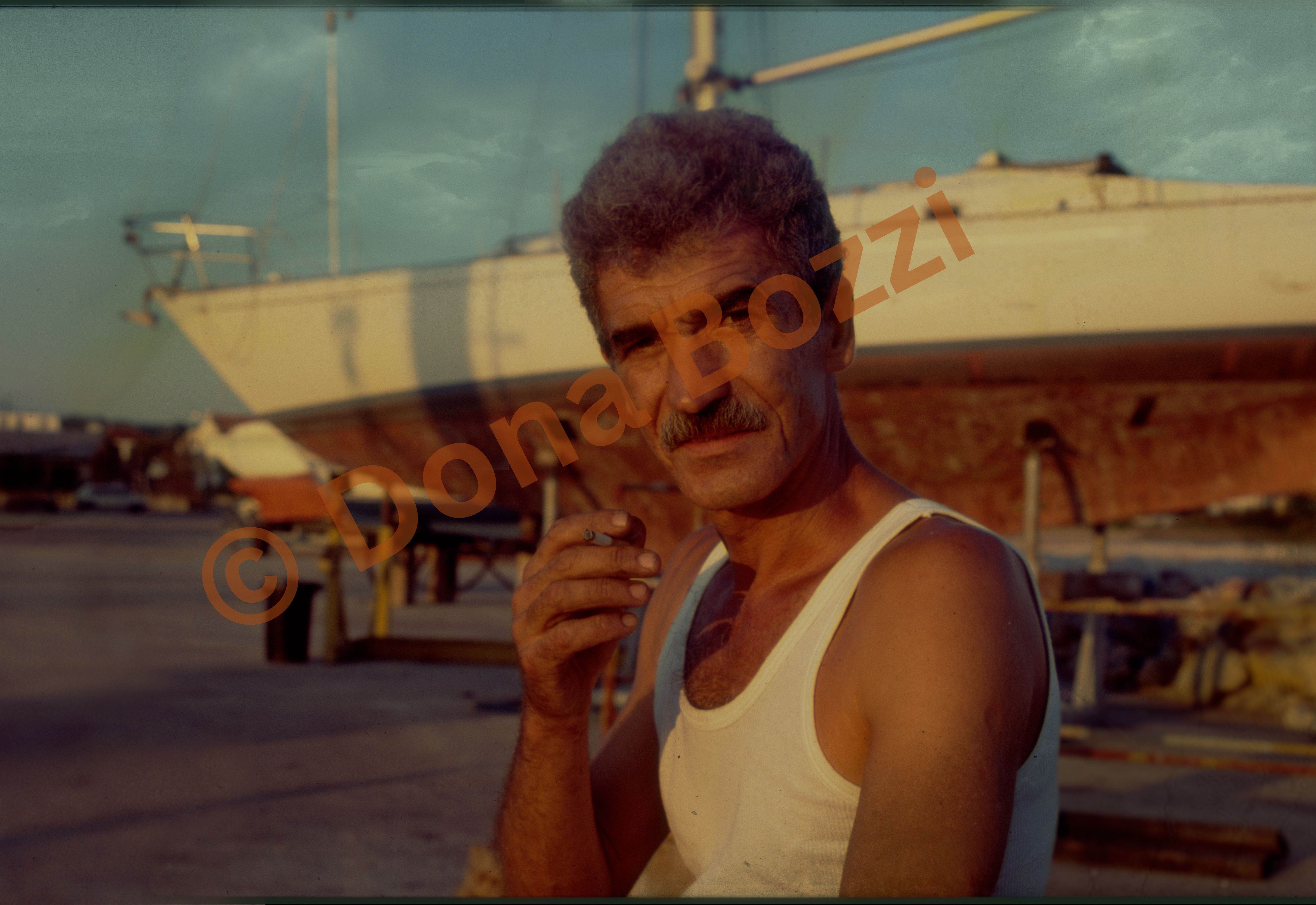
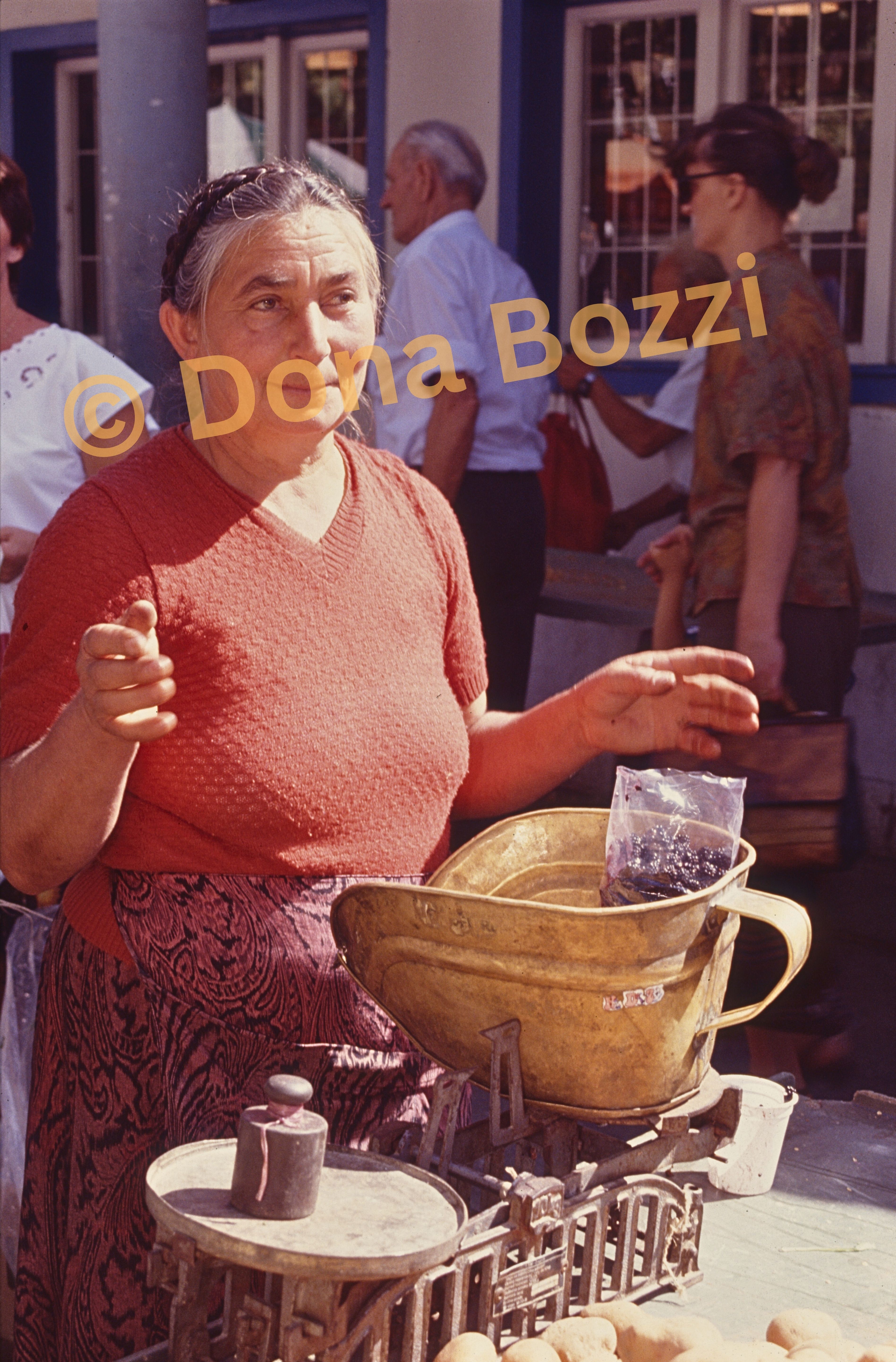
Split, Croatia,May 20 1992. In the port,a man is resting on the dock by an old vessel
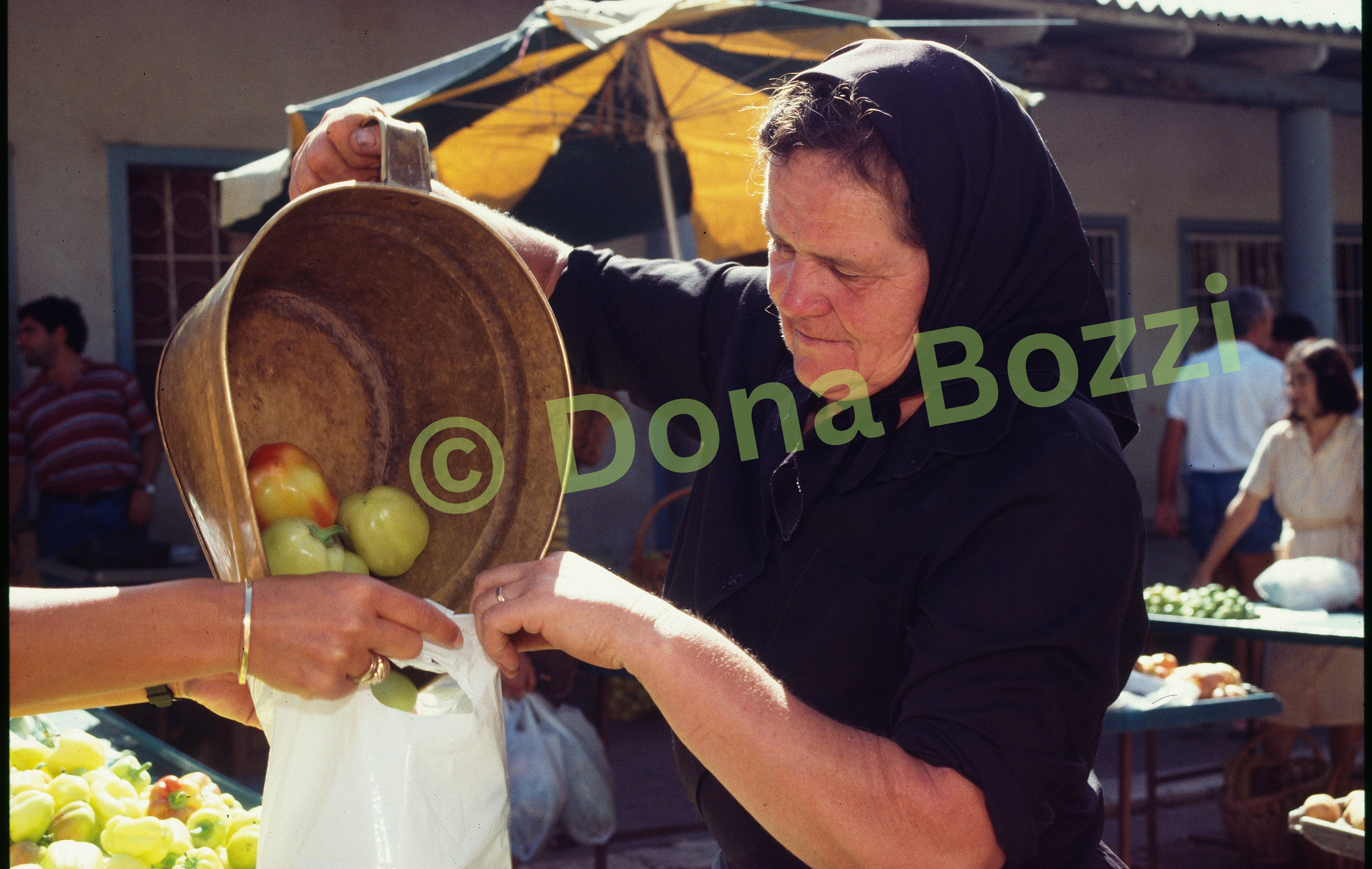
Split,Croatia,May 20 1992. On the coastal city, people kept going about their daily business in spite of the war..
Split, Croatia,May 20 1992.In the coastal city, people kept going about their business in spite of the war.
Split,Croatia,May 20 1992.In the coastal city,people kept going about their daily business in spite of the war.
Split,Croatia,May 20 1992.In the coastal city, people kept going about their daily business in spite of the war.
Split, Croatia,May 20 1992.In the coastal town, people kept going about their daily business in spite of the war.
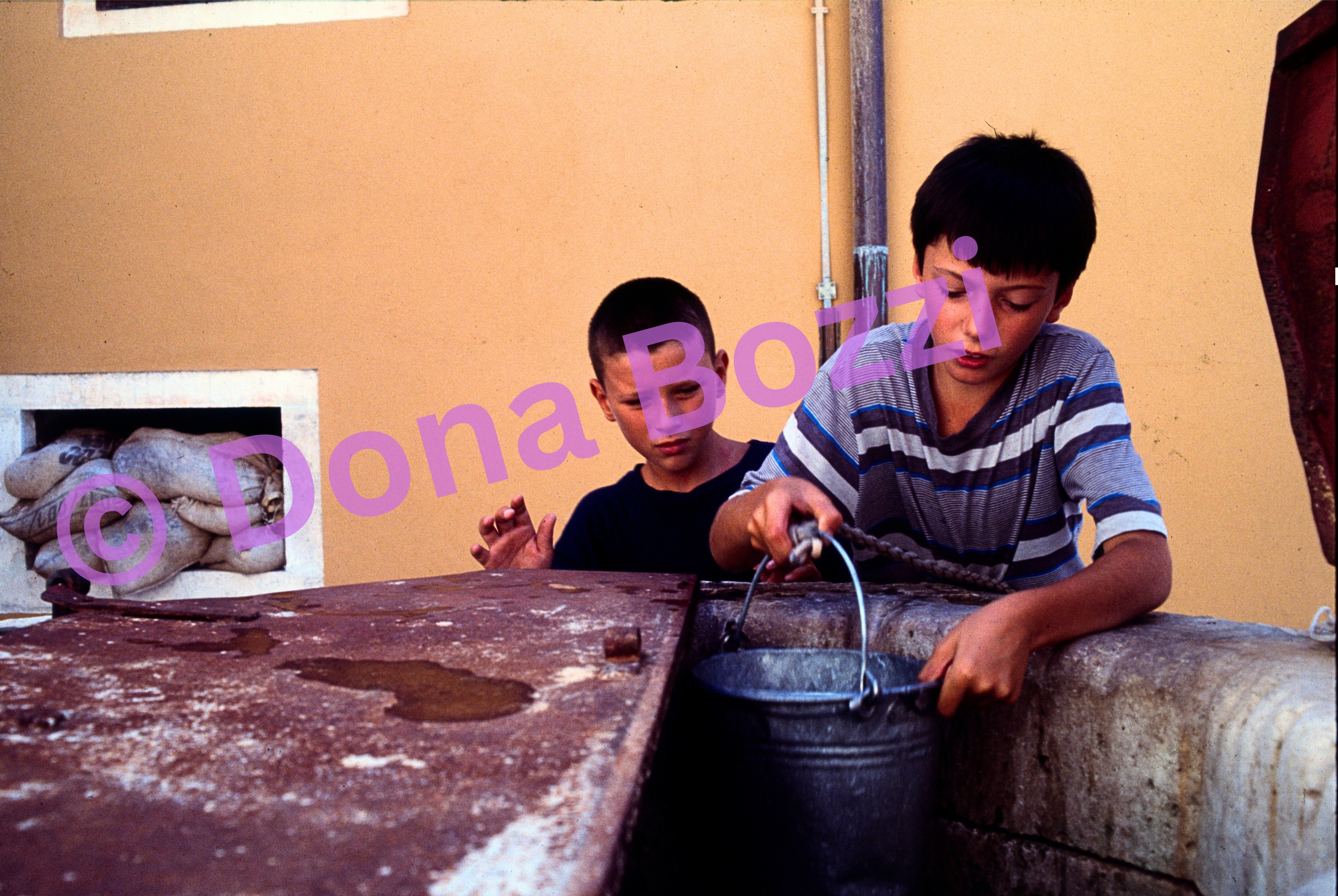
May 21 2021.In Zadar,on the mediterranean coast,Croatian boys draw water from a well due to the scarcity of water.

Leave a comment